Flashlights are widely used in households, outdoor activities, industrial workplaces, and emergency situations. Their reliability depends on several factors, including LED performance, battery quality, electrical components, durability, and manufacturing consistency.
For international buyers sourcing flashlights from China, effective flashlight quality control helps identify manufacturing defects, verify product specifications, and reduce the risk of receiving defective shipments.
This guide explains the essential flashlight inspection checkpoints, common testing procedures, applicable standards, and inspection stages.
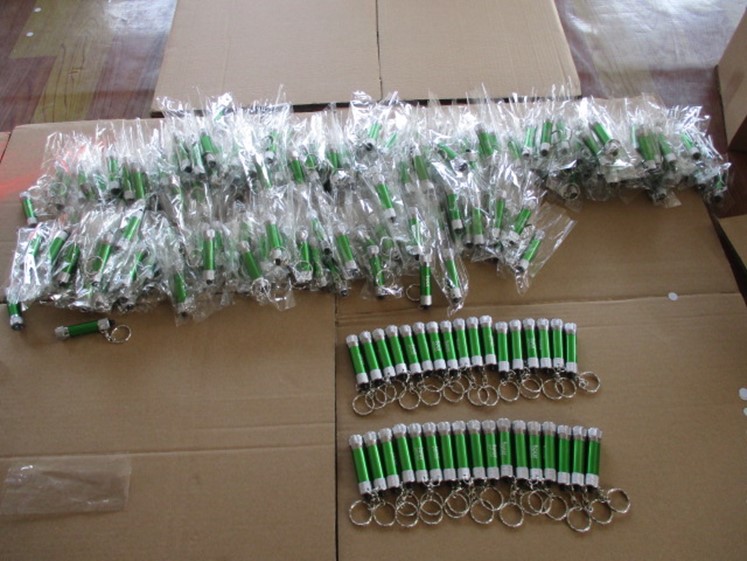
Why Flashlight Quality Control Matters
A flashlight may appear acceptable during a basic visual inspection but still have problems such as unstable brightness, poor battery connections, defective switches, or inadequate water resistance.
These defects can affect product reliability and customer satisfaction, particularly when flashlights are intended for professional or emergency use.
Independent inspections help buyers verify production quality against approved samples, technical specifications, and purchase order requirements before shipment.
Essential Flashlight Inspection Checklist
1. Appearance and Workmanship
Visual inspection identifies manufacturing defects that may affect appearance, functionality, or durability.
Inspectors typically examine:
- Scratches, dents, cracks, and surface discoloration.
- Poor coating, uneven anodizing, or inconsistent finishes.
- Loose screws, damaged threads, and improperly assembled components.
- Lens scratches, reflector defects, and LED misalignment.
- Incorrect logos, labels, warning markings, or product colors.
The flashlight should also be compared with the approved sample and product specifications.
2. Dimensions, Materials, and Components
Inspectors verify flashlight dimensions, weight, housing materials, and component configurations against the buyer’s requirements.
Important checkpoints include body length, diameter, battery compartment dimensions, lens material, and accessories.
For aluminum flashlights, surface treatment and assembly quality should receive particular attention.
3. Functional Testing
Functional testing is one of the most important parts of portable lighting product inspection.
Common on-site checks include:
- Power on/off operation.
- High, medium, and low brightness modes.
- Strobe, SOS, and other special functions.
- Switch responsiveness and mode switching.
- Charging indicators and USB charging functions.
- Battery installation, polarity, and contact reliability.
Inspectors should also check for flickering, intermittent operation, abnormal noise, or unexpected shutdowns.
4. Light Output and Beam Performance
Flashlight performance depends on brightness, beam distribution, and effective illumination distance.
Important parameters include:
- Luminous output: Measured in lumens (lm).
- Beam distance: The distance at which the beam meets a defined illumination threshold.
- Beam uniformity: Consistency of light distribution without obvious dark spots.
- Color temperature: Verification against specified lighting characteristics.
Accurate lumen and beam-distance measurements require appropriate calibrated equipment and standardized test conditions. Basic factory inspections may instead verify lighting functions and compare output with approved reference samples.
5. Battery and Charging Performance
Battery-related defects can cause unreliable operation and potential safety hazards.
Inspection checkpoints include battery fit, charging functionality, connector quality, and abnormal heating.
For rechargeable flashlights, inspectors may perform charging checks and short-duration operation tests.
Full battery runtime, capacity, and protection performance tests require suitable equipment and sufficient testing time.
6. Durability and Environmental Resistance
Flashlights designed for outdoor or industrial use may require additional durability testing.
Depending on product specifications, testing may include:
- Drop resistance.
- Switch operation cycles.
- Water resistance.
- Dust resistance.
- Temperature-related performance.
Waterproof and dustproof claims should be verified against the specified IP rating using appropriate procedures.
Flashlight Safety and Compliance Standards
Different destination markets may impose specific electrical, battery, environmental, and labeling requirements.
Relevant standards and requirements may include:
- ANSI/PLATO FL 1: Flashlight performance measurement and reporting.
- IEC 60529: IP protection classifications.
- RoHS: Restrictions on certain hazardous substances in applicable electrical products.
- CE marking: Compliance with applicable EU legislation, where required.
Applicable requirements depend on the flashlight’s design, battery configuration, and destination market.
Product inspection can identify visible safety concerns and review available documentation, but laboratory testing may be necessary to establish compliance.
Flashlight Inspection Stages in China
Buyers can arrange inspections at different manufacturing stages.
Initial Production Check (IPC): Verifies materials, components, and early production quality.
During Production Inspection (DPI): Identifies workmanship and functional defects while manufacturing is underway.
Pre-Shipment Inspection (PSI): Evaluates finished products, quantities, functionality, labeling, and packaging before shipment.
Professional pre-shipment inspection commonly uses sampling procedures based on ISO 2859-1 or ANSI/ASQ Z1.4, with acceptance limits agreed upon by the buyer.
Sampling results support shipment decisions but do not guarantee that every unit is defect-free.
Conclusion
Effective flashlight quality control requires more than checking appearance. Functional reliability, lighting performance, battery operation, durability, and applicable safety requirements all contribute to product quality.
By establishing clear specifications and arranging inspections at appropriate production stages, importers can identify defects earlier and reduce shipment risks.
NBNQC provides independent third-party inspection services in China, helping international buyers verify flashlight quality and manufacturing consistency before shipment.