Third-party product inspection is most effective when the inspection criteria reflect the buyer’s actual product requirements. Standard inspection procedures provide a consistent framework for checking workmanship, quantity, packaging, basic functionality, and other common quality points, but they cannot replace detailed product specifications supplied by the client.
For effective quality control, buyers should clearly define critical requirements before the inspection takes place. Approved samples, specifications, artwork, measurement tolerances, packaging instructions, testing requirements, and defect criteria give inspectors an objective basis for evaluating production.
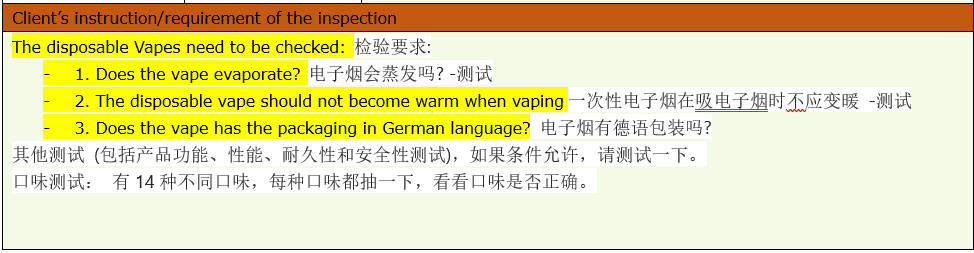
Standard Inspection Scope vs. Client Requirements
A standard product inspection normally covers common quality risks applicable to the product category. Depending on the product, this may include:
- Quantity and assortment verification
- Workmanship and visual defects
- Product dimensions and weight
- Style, color, material, and appearance
- Labels, logos, markings, and barcodes
- Basic function and assembly
- Packaging and shipping marks
- Selected on-site tests
These checks establish a practical inspection framework. However, products often have requirements that cannot be determined from general inspection procedures alone.
For example, an inspector cannot know that a particular dimension has a ±1 mm tolerance unless this information is provided. Similarly, the required position of a logo, acceptable color variation, specific packing sequence, electrical rating, or customized functional test must be clearly defined.
These additional specifications become part of the client requirements used during inspection.
What Buyers Should Provide Before Inspection
Clear documentation helps prevent misunderstanding between the buyer, supplier, and inspection company. Ideally, inspection requirements should be provided when the service is booked rather than after the inspector arrives at the factory.
Useful documents may include:
- Purchase orders and product specifications
- Approved samples or reference samples
- Technical drawings and measurement charts
- Artwork and color references
- Label and logo requirements
- Packaging specifications
- Barcode or FBA information
- Functional and performance requirements
- Required testing procedures
- Client-specific defect classifications
Not every product requires all these documents. The objective is to provide enough information for the inspector to distinguish objectively between acceptable and non-conforming products.
This is particularly important for customized products where visual appearance or performance cannot be assessed against a universal standard.
Converting Requirements into an Inspection Checklist
Before inspection, the requirements should be reviewed and incorporated into the inspection scope.
A professional third-party inspection company should identify whether the requested checks can be performed under factory conditions and whether special equipment, additional samples, or additional inspection time may be required.
For example, barcode scanning can usually be performed using standard inspection equipment, while specialized laboratory testing may require an accredited laboratory. A product load test may require the supplier to prepare appropriate weights or fixtures before the inspector arrives.
Clarifying these conditions before inspection reduces delays and prevents important tests from being omitted because the required equipment or samples were unavailable.
During a pre-shipment inspection, the inspector then checks the selected samples against both the standard inspection checklist and the agreed client requirements.
Sampling and Defect Acceptance Criteria
Client requirements should also define how defects are evaluated.
Many inspections use an AQL sampling plan to determine the sample size and acceptable number of Critical, Major, and Minor defects. However, the sampling standard alone does not determine how every defect should be classified.
A defect that is Minor for one buyer may be considered Major for another because of the product’s intended use, brand requirements, or customer expectations.
For this reason, buyers with specific quality concerns should communicate their defect classifications before inspection. Examples may include:
- Visible scratches on a premium surface
- Incorrect logo placement
- Measurement outside an agreed tolerance
- Missing accessories
- Incorrect barcode information
- Functional failure
- Packaging that does not meet retail requirements
Clear criteria allow inspectors to report defects consistently and give buyers more reliable information for shipment decisions.
Product-Specific Requirements Matter
Client requirements vary considerably between product categories.
For garments, important criteria may include fabric specifications, measurements, stitching quality, color consistency, labels, and fitting.
For electrical products, requirements may include rated voltage, power consumption, functional checks, assembly, markings, and applicable safety tests.
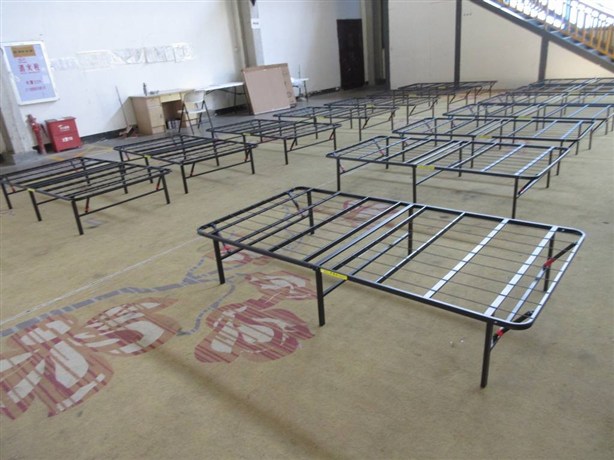
For furniture, inspection may focus on dimensions, stability, load testing, assembly, surface finishing, and packaging protection.
For printed products, artwork accuracy, page sequence, printing quality, color, binding, and packaging may be more important.
A generic checklist cannot fully address all these differences. Effective product inspection combines established quality control procedures with product-specific requirements.
Avoid Adding Critical Requirements After Inspection
One common problem occurs when important requirements are provided only after the inspection has been completed.
If an inspector was not instructed to check a particular specification, the report may not contain the evidence needed to confirm compliance. In some cases, another inspection may then be necessary.
For this reason, critical specifications and testing requirements should be finalized before the inspection date. Changes should also be communicated promptly if product specifications are revised during production.
The supplier should receive the same key requirements where appropriate so that the factory understands what will be checked.
Inspection Reports Support the Final Decision
A third-party inspection report should present factual findings rather than make commercial decisions for the buyer.
The report normally records the inspected quantity, sample size, defects found, test results, product conformity, packaging condition, photographs, and any deviations from the client’s requirements.
The buyer can then evaluate these findings together with factors such as delivery schedules, supplier history, defect severity, and commercial risk.
This distinction is important: the inspection company verifies the goods against defined criteria, while the buyer retains responsibility for deciding whether to approve shipment, request corrective action, or arrange a re-inspection.
Clear Requirements Improve Quality Control
Effective quality control depends on objective and clearly communicated requirements. Standard inspection procedures establish the basic framework, while client-specific specifications determine whether the actual product meets the buyer’s expectations.
Providing accurate specifications, approved samples, acceptance criteria, and special testing requirements before inspection enables inspectors to perform more targeted checks and produce more useful reports.
For importers working with external suppliers, clearly defined client requirements are therefore not an administrative detail. They are an essential part of an effective third-party product inspection process.