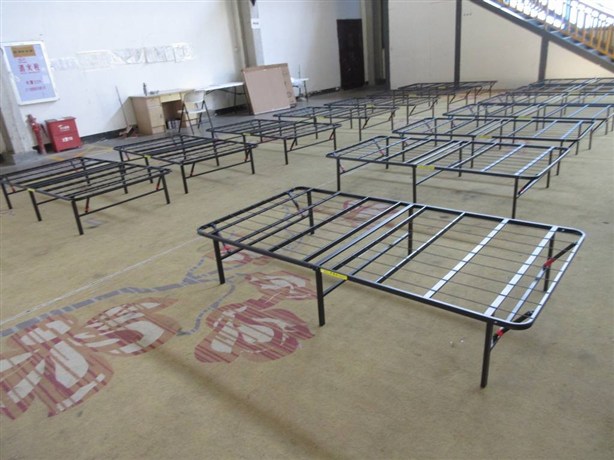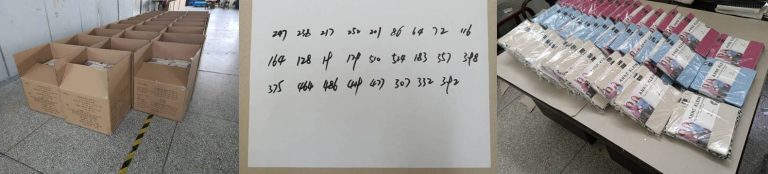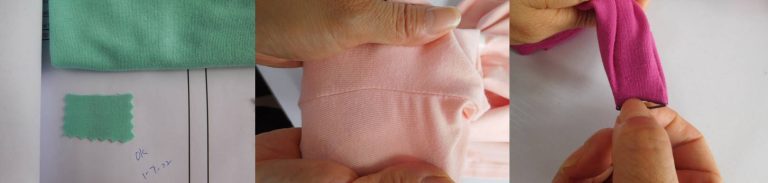
Trading companies often work with multiple factories, products, and shipment schedules. Because they may not directly control production, maintaining consistent quality control can be difficult.
A structured third-party inspection program provides independent verification of whether products meet approved requirements before shipment. Instead of relying only on supplier declarations or factory internal QC, product inspection gives the trading company objective information about workmanship, quantity, specifications, packaging, and other agreed criteria.
Why Trading Companies Need Independent Quality Control
Trading companies usually coordinate sourcing, production, logistics, and buyer communication, while manufacturing is completed by external suppliers.
This creates several risks:
- Different factories may follow different quality standards.
- Buyer specifications may be interpreted inconsistently.
- Factory internal QC may not fully reflect buyer acceptance criteria.
- Defects may remain undiscovered until goods reach the destination.
- Trading companies may have limited visibility into production.
Independent quality control and inspection services provide an additional verification step based on approved specifications.
The objective is not to replace factory QC, but to provide an independent assessment before shipment or other important decisions.
Supplier QC and Third-Party Inspection Have Different Roles
Factories remain responsible for controlling materials, production processes, workmanship, and final product quality.
Third-party inspection serves a different purpose: independently checking selected products against agreed references such as:
- Approved samples
- Product specifications
- Technical drawings
- Measurement charts
- Artwork
- Packaging requirements
- Label requirements
Inspection criteria should be established before the service takes place. Clear requirements reduce disagreements between buyers, trading companies, factories, and inspectors.
What Should Be Checked During Product Inspection?
The exact scope depends on the product, but a typical product inspection should cover several core areas.
Quantity and product identity should be verified against the order, including models, styles, colors, and available quantities.
Workmanship and appearance should be checked for visible defects such as scratches, cracks, stains, deformation, poor assembly, surface defects, and loose components.
Dimensions and specifications should be verified against drawings, measurement charts, tolerances, or approved samples where applicable.
Functional checks may include assembly, operation, fitting, barcode scanning, or other simple on-site tests.
Labels and markings should be checked against approved requirements, including logos, warning labels, model numbers, and barcodes.
Packaging should also be verified because incorrect quantities, weak packaging, or wrong shipping marks can cause problems even when the products themselves are acceptable.
Laboratory analysis, chemical testing, or regulatory certification should normally be handled separately from routine on-site inspection.
Choose the Right Inspection Stage
One common mistake is waiting until production is finished before checking quality.
An Initial Production Check can verify materials, initial workmanship, and specifications near the start of production.
A During Production Inspection helps identify repeated defects or specification problems while production is still underway.
A Pre-Shipment Inspection provides an overall assessment when most or all production is complete.
For higher-risk products or unreliable suppliers, earlier inspection can reduce rework costs and prevent defects from affecting the full order.
Define Requirements Before Inspection
Inspection quality depends heavily on the information provided to the inspector.
The trading company or buyer should prepare relevant documents such as:
- Product specifications
- Approved samples or photos
- Drawings and tolerances
- Artwork
- Label requirements
- Packaging instructions
- Functional test procedures
- Known quality concerns
General instructions such as “check quality” are not enough.
Where sampling inspection is used, the buyer should also define the inspection level and applicable AQL limits for critical, major, and minor defects.
Use Inspection Reports for Shipment Decisions
A third-party inspection report should provide factual findings rather than make commercial decisions for the buyer.
A useful report normally includes:
- Sampling information
- Defect quantities and classifications
- Measurements
- Test results
- Packaging findings
- Product and defect photos
- Deviations from specifications
The buyer or trading company can then decide whether to approve shipment, request rework, arrange re-inspection, or take other corrective action.
A failed inspection does not automatically mean the entire shipment must be rejected. The decision depends on defect severity, quantities, and agreed acceptance criteria.
Avoid Common Quality Control Mistakes
Common mistakes include relying entirely on supplier internal QC, providing incomplete specifications, inspecting too late, ignoring previous defect history, and failing to verify corrective actions.
Inspection results should also be used for ongoing supplier management. Repeated defects, failed inspections, and inconsistent production performance may indicate broader supplier quality problems that require closer control.
Build a Practical Inspection System
Effective quality control does not require inspecting every production step. It requires identifying important risks and applying the right controls at the right stage.
A practical system combines supplier internal QC, clear buyer specifications, independent inspection, corrective action, and supplier performance review.
When used correctly, third-party inspection helps trading companies reduce quality uncertainty, improve supplier accountability, and make better-informed shipment decisions.