Pajamas are relatively simple garments, but bulk production can still involve fabric variation, sewing defects, incorrect measurements, shade differences, labeling errors, and packing problems. Effective pajama quality inspection should therefore verify both product appearance and the construction details that affect fit, comfort, durability, and saleability.
A structured quality control process compares finished pajamas against approved samples, specifications, measurement charts, artwork, and packaging requirements. For importers and apparel brands, inspection before shipment provides objective information for deciding whether goods meet agreed requirements or require corrective action.
1. Material and Appearance Verification
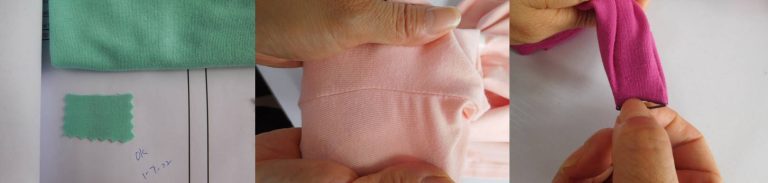
Inspection normally begins by confirming that the bulk production matches the approved sample or specification in terms of fabric type, texture, color, pattern, trims, and overall appearance.
Inspectors should check for common fabric problems such as:
- Holes, yarn defects, or damaged fabric
- Stains, oil marks, dirt, or contamination
- Noticeable shade variation
- Incorrect fabric direction or pattern orientation
- Print defects or color inconsistency
- Poor embroidery or decorative finishing
For pajama sets, color consistency between tops and bottoms is particularly important. Components produced from different fabric lots may show noticeable shade differences when assembled as one set.
Material composition and laboratory performance such as fiber content, chemical compliance, dimensional stability, or formal colorfastness should be supported by appropriate specifications or laboratory testing where required. Routine on-site Garment & Apparel Quality Control focuses mainly on verifying the actual bulk products against available reference information.
2. Sewing and Workmanship Inspection
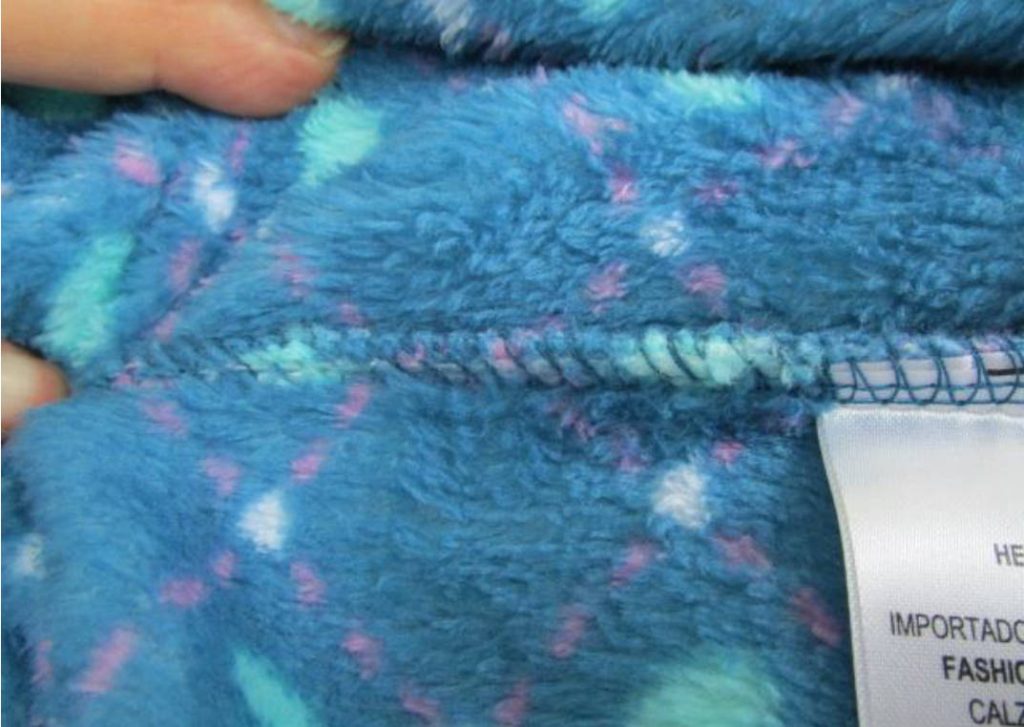
Workmanship is one of the main areas of product inspection for pajamas. Each sampled garment should be examined systematically rather than only checking its general appearance.
Typical defects include:
- Open seams or broken stitches
- Skipped or uneven stitches
- Loose threads
- Seam puckering
- Crooked sewing
- Incorrect seam allowance
- Raw or unfinished edges
- Misaligned panels
- Uneven hems
- Damaged elastic
- Loose buttons, snaps, or accessories
Inspectors should pay particular attention to stress points such as armholes, crotch seams, waistbands, pockets, button attachments, and joining seams. These areas are more likely to affect durability during normal wear.
Basic on-site checks may also include seam strength, button or snap attachment, zipper operation, elastic stretching, and visual symmetry where applicable.
3. Measurements and Size Accuracy
A pajama can have acceptable workmanship but still be defective if the measurements are outside the buyer’s tolerances.
Inspectors should measure selected samples according to the approved measurement chart. Depending on the design, important measurement points can include chest width, body length, sleeve length, shoulder width, waist, hip, inseam, outseam, leg opening, and waistband dimensions.
Measurements should be taken using the agreed measurement method because different measuring techniques can produce different results.
For orders containing multiple sizes, samples should cover the relevant size range rather than concentrating only on one size. Any measurements outside tolerance should be clearly recorded so the buyer can evaluate whether the deviation affects fit or commercial acceptance.
4. Prints, Embroidery, Accessories, and Functional Details
Printed or decorated pajamas require additional checks against approved artwork or samples.
Inspectors should verify print position, orientation, dimensions, color, registration, clarity, and overall appearance. Common problems include misaligned prints, cracking, incomplete printing, color variation, stains, and incorrect artwork.
Embroidery should be checked for loose threads, missing stitches, incorrect positioning, distortion, or backing material that affects comfort.
Buttons, zippers, snaps, drawstrings, elastic bands, and other trims should also be checked for correct type, color, position, quantity, attachment, and function.
Simple on-site tests can be incorporated into the inspection checklist when applicable, including stretching elastic components, operating zippers repeatedly, checking snap fasteners, rubbing printed surfaces, scanning barcodes, or checking seam strength.
5. Labels and Product Identification
Garment orders often contain many combinations of styles, colors, and sizes, making labeling errors a significant risk.
Inspection should verify applicable:
- Main labels
- Size labels
- Care labels
- Fiber-content information
- Country-of-origin marking
- Hangtags
- Barcodes
- SKU or style numbers
The information should be compared against the buyer’s approved files or specifications. Labels should also be correctly positioned, securely attached, and matched to the correct product size and color.
Label compliance requirements vary by destination market. Third-party inspection can verify labels against the information supplied by the buyer, while regulatory or laboratory compliance should be separately confirmed when required.
6. Packaging and Assortment Checks
Packaging errors can cause problems even when garment quality itself is acceptable.
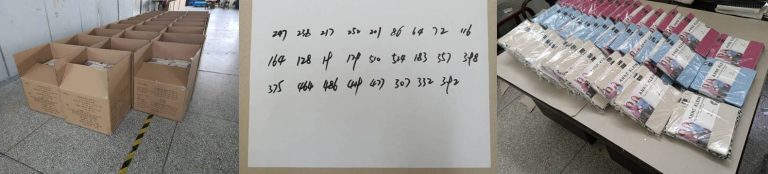
Inspectors should verify folding method, individual packaging, size stickers, polybags, carton assortment, carton quantity, shipping marks, barcodes, carton condition, and other buyer-specific packing requirements.
For mixed-size or mixed-color cartons, assortment should be checked against the approved packing list. Incorrect assortment can create warehouse, fulfillment, or retail distribution problems despite acceptable product workmanship.
Packaging should also provide adequate protection against moisture, dirt, compression, and transportation damage.
7. Sampling and Defect Classification
For normal random inspection, garment quality is commonly evaluated using an AQL sampling plan. Samples are randomly selected from the completed shipment and examined for workmanship and other specified requirements.
Defects should be classified according to their severity.
Critical defects may involve safety hazards, prohibited contamination, or other conditions that make the product unsafe.
Major defects may include holes, open seams, serious stains, incorrect measurements, significant shade variation, missing components, wrong labels, or defects affecting normal use or saleability.
Minor defects generally involve smaller workmanship or appearance issues that do not significantly affect function.
Clear defect classification is important because not every imperfection has the same impact on shipment acceptance. Buyers can also refer to a Garment Defect Reference when establishing inspection criteria.
Choosing the Right Inspection Stage
For completed pajama orders, a Pre-Shipment Inspection can verify workmanship, measurements, labels, packaging, and overall shipment quality before goods are released.
For large orders or suppliers with previous quality problems, a During Production Inspection can identify sewing, measurement, material, or production issues while manufacturing is still underway, allowing corrective action before the full quantity is completed.
Effective pajama quality control depends on clear specifications and a practical inspection checklist. Combining material verification, workmanship inspection, measurement checks, functional tests, label verification, packaging checks, and appropriate sampling provides a more reliable assessment of whether the finished shipment meets the buyer’s requirements.