Pre-shipment inspection for apparel is a critical quality control step that ensures garments meet buyer requirements before shipment. For importers sourcing from China, this process helps identify defects, verify specifications, and reduce costly returns or rework.
A well-executed apparel inspection not only protects product quality but also improves supply chain reliability. By following standardized inspection procedures and Pre-Shipment Inspection Services, buyers can make informed shipment decisions and minimize risk.

Preparation Before Apparel Inspection
Understand Product Specifications
Before starting any pre-shipment inspection for apparel, inspectors must carefully review product specifications. This includes fabric composition, color standards, size charts, labeling requirements, and packaging instructions.
Clear specifications are the foundation of any successful inspection. Without them, even experienced inspectors cannot accurately determine compliance.
Know Apparel Quality Standards
Inspectors must understand industry quality standards related to apparel inspection. This includes stitching quality, seam strength, color consistency, and workmanship expectations.
A standardized defect classification system helps ensure consistency across inspections. You can refer to Defects in Garment to better understand defect categories.
Prepare Inspection Tools
A professional apparel inspection requires proper tools to ensure accuracy.
Common tools include measuring tapes, color swatches, lightboxes, magnifiers, and fabric testing equipment. These tools allow inspectors to detect subtle defects and verify product consistency.
Define Sampling Plan Based on AQL
Sampling is a core part of pre-shipment inspection for apparel.
Inspectors should determine sample size based on AQL Sampling Calculator and lot size. A proper sampling plan ensures statistically reliable inspection results and avoids biased conclusions.
Develop Inspection Checklist
A customized checklist ensures nothing is missed during inspection.
The checklist should cover fabric quality, measurements, workmanship, labeling, packaging, and overall appearance. A structured checklist improves both efficiency and accuracy.
Execution of Apparel Pre-Shipment Inspection
Arrival and Shipment Verification
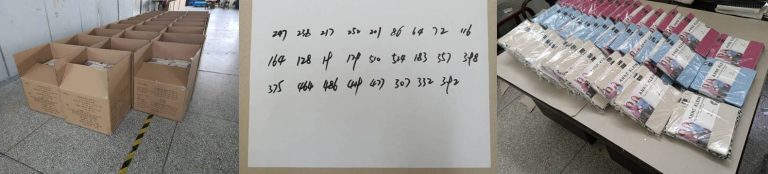
Inspectors begin by confirming that goods are ready and match the provided documentation. This includes checking purchase orders, packing lists, and shipping marks.
Any discrepancy should be recorded before continuing with the inspection.
Visual Inspection
Visual inspection is the first step in the execution process.
Inspectors assess overall appearance, fabric condition, color consistency, and visible defects. Approved samples should be used as reference standards during evaluation.
Measurement and Size Verification
Accurate sizing is critical in apparel products.
Inspectors measure key dimensions such as garment length, chest, sleeve, and waist. These measurements must fall within acceptable tolerance ranges defined in specifications.
Workmanship and Stitching Check
Workmanship directly impacts product durability and brand reputation.
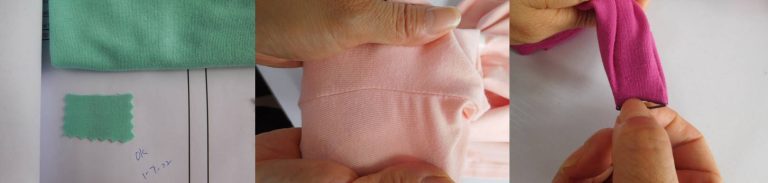
Inspectors examine seam strength, stitch density, alignment, and finishing quality. Issues like loose threads, skipped stitches, or uneven seams are recorded as defects.
Color Assessment
Color consistency is a common issue in apparel inspection.
Inspectors compare garments against approved standards using proper lighting conditions and color tools. Even small variations may lead to rejection.
Labeling and Packaging Inspection
Labeling errors can create compliance issues in international markets.
Inspectors verify care labels, size labels, brand tags, and carton markings. Packaging is also checked to ensure products are properly protected during transportation.
Inspection Recording and Reporting
All inspection findings must be documented clearly.
Inspectors record defects, take photos, and summarize results in a detailed report. This report supports shipment decisions such as acceptance, rejection, or rework.
Container Loading Supervision (Optional)
In some cases, inspectors also supervise the loading process.
This ensures correct quantities, proper handling, and safe stacking to prevent damage during shipment. More details can be found in Container Loading Supervision.
Why Pre-Shipment Inspection for Apparel Matters
Pre-shipment inspection for apparel plays a key role in controlling product quality before shipment.
It helps ensure compliance with specifications, reduces returns, and improves supplier performance. For buyers sourcing globally, this step is essential for maintaining consistent quality and protecting brand reputation.
To explore more solutions, you can visit Home for detailed support.