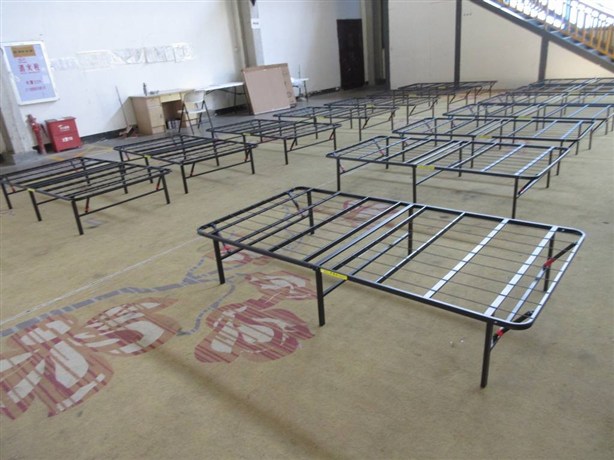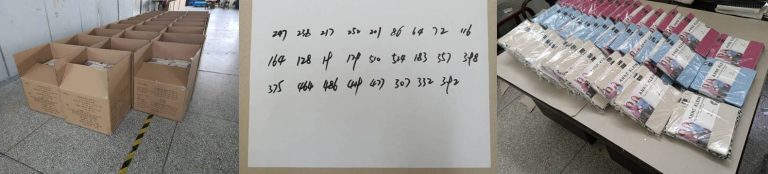
In some export shipments, goods may already be moved from the factory to a customs warehouse, bonded warehouse, forwarder warehouse, or logistics warehouse before the buyer arranges a final quality check. In this situation, a pre-shipment inspection can still be arranged if the goods are accessible and properly identified.
A customs warehouse inspection helps buyers verify the actual shipment condition before the goods leave China. The inspection can cover quantity, product appearance, workmanship, packaging, labels, shipping marks, and other agreed checkpoints based on the buyer’s specifications, approved samples, purchase order, packing list, and checklist.
For importers, retailers, and brand owners, this type of inspection is useful when the goods have left the supplier’s factory but final shipment approval, balance payment, or export release has not yet been completed.
When Is a Customs Warehouse Inspection Needed?
A pre-shipment inspection in a customs warehouse may be needed when the goods are already delivered to a warehouse before final quality control is completed.
Common situations include:
- The supplier has moved the goods to a forwarder or customs warehouse before inspection.
- The buyer wants to verify the goods before releasing the balance payment.
- Several suppliers’ goods are consolidated in one warehouse.
- The goods are no longer at the factory, but shipment has not yet been released.
- The buyer wants an independent check before export.
In these cases, inspection is still possible, but warehouse access must be confirmed in advance with the supplier, forwarder, warehouse, or shipping agent.
What Can Be Checked During the Inspection?
The inspection scope depends on the product type, packing status, warehouse rules, and buyer’s requirements. In general, the following points can be checked during a customs warehouse inspection.
Quantity and Product Identification
The inspector can verify the available quantity, carton quantity, item number, model number, SKU information, PO number, and product description against the packing list or purchase order.
This helps confirm whether the goods stored in the warehouse match the buyer’s order before shipment.
Packaging and Shipping Marks
Packaging is an important checkpoint in warehouse inspection. The inspector can check carton condition, inner packaging, labels, barcodes, shipping marks, carton dimensions, gross weight, net weight, and packing method.
Wrong labels, damaged cartons, poor packaging, or incorrect shipping marks may create problems during transportation, receiving, or distribution.
Appearance and Workmanship
For accessible goods, the inspector can select samples and check product appearance, workmanship, surface condition, assembly quality, color, printing, logo position, scratches, stains, deformation, damage, or other visible defects.
The defect classification can be based on the agreed inspection criteria, AQL sampling plan, and buyer’s quality expectations.
Dimensions, Weight, and Basic Function Checks
If the product type and warehouse conditions allow, the inspector can conduct basic measurements, weight checks, fitting checks, assembly checks, and simple functional tests on site.
For some products, testing may be limited because the warehouse may not provide electricity, water, compressed air, special tools, or a suitable testing area.
Labels, Artwork, and Documents
The inspector can verify product labels, warning labels, rating labels, barcodes, manuals, hangtags, artwork, and other printed materials against the buyer’s approved files.
This is especially important for retail products, branded goods, electrical products, toys, apparel, and consumer goods where labeling or packaging mistakes may lead to complaints or compliance concerns.
Limitations of Inspection in a Customs Warehouse
Although a customs warehouse inspection is useful, it may have some practical limitations.
Compared with inspection at the factory, the warehouse may not allow full unpacking, repacking, destructive tests, or complicated functional tests. Some goods may already be palletized, sealed, or prepared for export. The inspector may also need support from warehouse staff to move cartons, open packages, or provide a suitable inspection area.
Before booking the inspection, buyers should confirm whether the warehouse allows third-party inspection, whether cartons can be opened and repacked, and whether the goods are clearly separated from other shipments.
If the goods are already sealed, loaded, or under restricted customs control, the inspection scope may be limited.
Conclusion
A pre-shipment inspection in a customs warehouse can help buyers reduce shipment risks when goods have already left the factory but have not yet been released for final export. It allows buyers to verify product condition, quantity, packaging, labeling, and visible defects before shipment.
For better inspection results, the service should be arranged before the goods are sealed, loaded, or fully restricted by warehouse or customs procedures.
NBNQC can provide independent product inspection services in China according to your product specifications, approved samples, packaging requirements, and inspection checklist, helping you make a better shipment decision before the goods leave China.