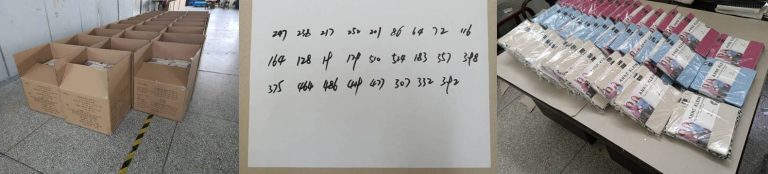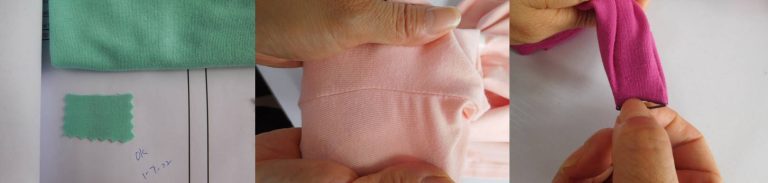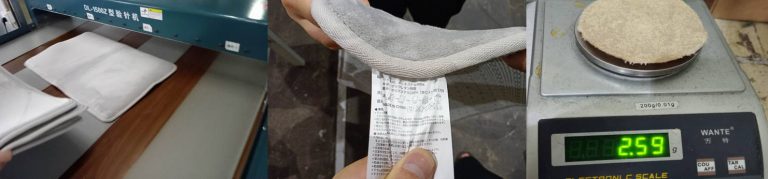
Mobile phone cases may look simple, but poor quality can easily lead to customer complaints. Common problems include poor fitting, blocked ports, weak button response, scratches, color difference, printing defects, strong odor, and wrong packaging.
For importers, retailers, and brand owners, arranging a product inspection before shipment can help confirm whether the goods match the approved sample, product specifications, packaging requirements, and buyer’s quality expectations.
Common Types of Mobile Phone Cases
Mobile phone cases are usually made in different materials and structures, such as:
- Silicone or TPU cases
- Hard plastic cases
- Leather or PU wallet cases
- Waterproof or rugged cases
- Battery cases
- Folio or flip cases
Each type may have different inspection requirements. For example, TPU cases need to be checked for flexibility and deformation, while wallet cases require more attention to stitching, folding, card slots, magnets, and glue marks.
Key Inspection Points for Mobile Phone Cases
1. Material and Appearance
Inspectors should check whether the material matches the approved sample or specification. Common appearance issues include scratches, stains, dents, color difference, deformation, burrs, flashing, glue marks, and strong odor.
2. Fitting and Compatibility
The case should fit the correct phone model properly. It should not block the camera, charging port, speaker, microphone, buttons, or sensors. If a real phone or dummy phone is available, fitting can be checked more accurately.
3. Workmanship
Workmanship inspection should focus on defects such as rough edges, poor trimming, uneven surface, bubbles, cracks, loose parts, weak stitching, poor bonding, and other visible quality problems.
4. Printing and Logo
For customized phone cases, the logo, pattern, and printing should be checked carefully. Inspectors should verify print position, color, clarity, adhesion, and whether the printing matches the approved artwork.
5. Function Check
The case should not affect normal phone use. Depending on the product design, inspectors may check button response, charging access, wireless charging compatibility, stand function, magnetic closure, card slots, and waterproof or rugged structure.
6. Packaging and Labeling
Packaging should protect the product and match the buyer’s requirements. Inspectors should check model labels, barcodes, color labels, carton marks, user instructions, packing method, and whether there are mixed models or wrong quantities.
Common Defects Found During Inspection
Common mobile phone case defects include:
- Wrong phone model or wrong size
- Poor fitting
- Camera or port misalignment
- Scratches, stains, or deformation
- Color difference
- Strong odor
- Poor printing or logo defects
- Loose accessories
- Hard button response
- Sharp edges or burrs
- Wrong labels or damaged packaging
Conclusion
Mobile phone case inspection is not only about appearance. Material, fitting, workmanship, function, printing, labeling, and packaging can all affect the final product quality.
NBNQC can perform mobile phone case inspections in China according to your specifications, approved samples, packaging requirements, and inspection checklist. This helps buyers identify quality problems before shipment and make better shipping decisions.