Fabric color difference is a common quality issue in garment production and product inspection before shipment. It means the bulk goods do not match the approved color reference, or different garments, panels, lots, or components show visible shade variation.
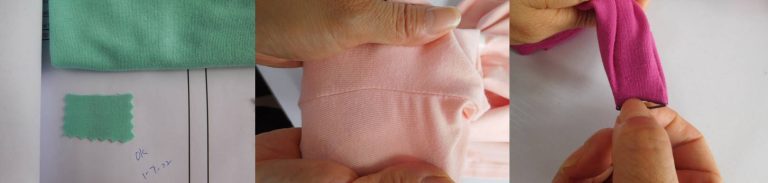
Even if the workmanship, size, packaging, and quantity are acceptable, obvious shade variation may still cause buyer complaints, shipment delays, or product rejection. In apparel inspection, inspectors usually compare bulk garments with the approved sample, lab dip, color standard, shade band, or buyer’s specification.
Common Types of Color Difference
Color Difference Against Approved Sample
This happens when the bulk garment color is visibly different from the approved sample, lab dip, or color standard.
The color may look lighter, darker, brighter, duller, or slightly shifted in tone. Whether this is acceptable depends on the buyer’s tolerance and approved requirements.
Shade Variation Between Garments
Different garments in the same order may show different shades, especially when production uses different fabric rolls, dyeing lots, or production batches.
This problem is more noticeable when products are displayed together or shipped to the same retail customer.
Panel-to-Panel Shade Difference
Panel-to-panel shade difference means different parts of the same garment do not match well, such as front panel vs. back panel, left sleeve vs. right sleeve, or collar vs. body.
This issue is often more serious because the color difference appears on one garment and can be easily noticed by the end user.
Color Difference in Trims and Components
Color matching may also be required for trims and accessories, such as rib, collar, cuff, zipper tape, drawstring, lining, embroidery, printing, labels, or buttons.
For garment sets, such as uniforms, pajamas, or tracksuits, the color between different pieces should also be checked.
Quality Requirements for Fabric Color Difference
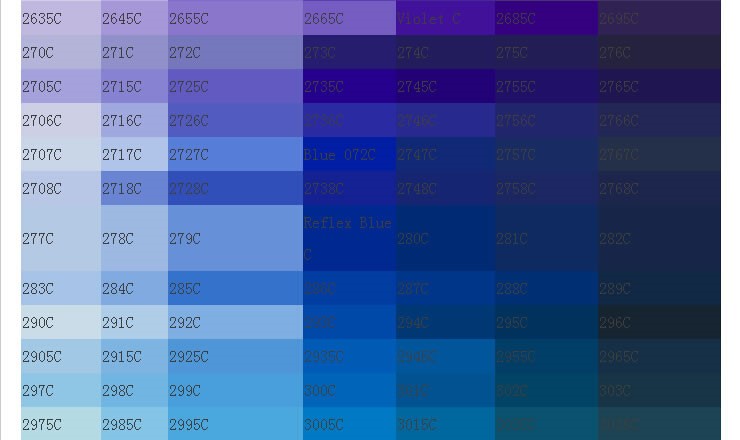
The acceptable level of color difference should normally be defined by the buyer, brand, approved sample, or product specification.
During garment inspection, inspectors usually check whether the bulk color matches the approved reference, whether different garments show obvious shade variation, and whether the same garment has visible panel-to-panel color difference.
Trims, prints, embroidery, labels, and accessories should also match the required color where applicable. Goods from different shade lots should not be mixed randomly unless approved by the buyer.
It is also important to separate color difference from color fastness. Color difference focuses on shade matching and color consistency, while color fastness checks whether the color changes or transfers after washing, rubbing, light exposure, or other conditions.
How Inspectors Check Color Difference
Review the Buyer’s References
Before inspection, the inspector should review the available references, such as approved sample, lab dip, shade band, color standard, product specification, or buyer’s checklist.
If no approved reference is provided, the inspector can still record the actual color condition, but the final judgment may be limited.
Compare Bulk Goods With the Approved Sample
The inspector compares selected bulk garments with the approved sample or color standard under suitable lighting conditions.
For some fabrics, such as brushed fabric, pile fabric, coated fabric, or fabric with special finishing, the viewing angle and fabric direction may affect the perceived color.
Check Different Cartons, Sizes, and Lots
Color difference may not appear in every piece. Inspectors should check samples from different cartons, sizes, production lots, or packing groups according to the sampling plan.
If shade variation is found, the affected quantity, location, and comparison reference should be recorded clearly in the inspection report.
Check Panels and Components
Inspectors also check whether different parts of the same garment match properly, including body panels, sleeves, collar, cuff, pocket, waistband, lining, rib, zipper tape, and other visible components.
Obvious panel-to-panel shade difference is usually recorded as a defect because it directly affects the appearance of the garment.
Use Light Box or Instrument When Required
Visual inspection is commonly used in garment inspection because it reflects how the product appears to buyers and consumers.
When required by the buyer, a light box or color measurement instrument can be used for a more controlled check. If a ΔE tolerance is required, it should be confirmed before inspection.
Conclusion
Fabric color difference is an important checkpoint in garment quality control. During apparel inspection, inspectors compare bulk goods with approved references and check shade consistency between garments, panels, lots, cartons, trims, and components. For importers, retailers, and brand owners sourcing garments from China, a proper apparel inspection can help identify color difference problems before shipment and support better quality decisions. NBNQC can provide garment and apparel inspection services in China according to your specifications, approved samples, packaging requirements, and inspection checklist.