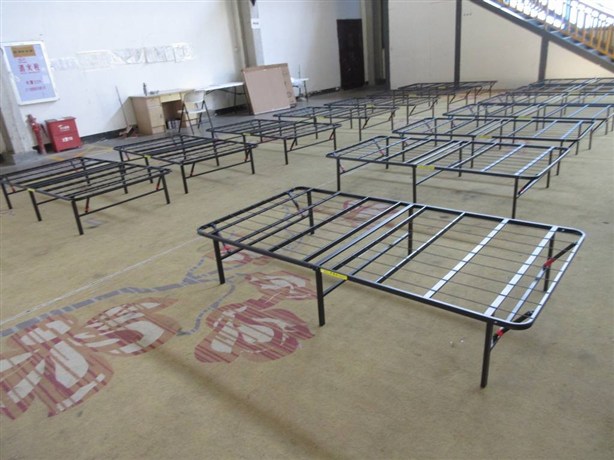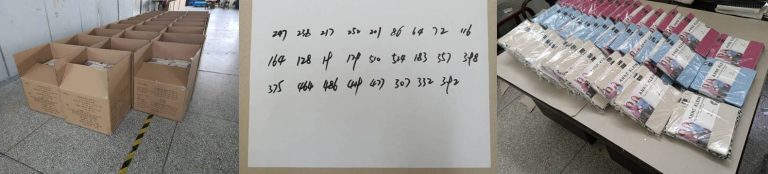
Electrical appliances should be checked carefully before shipment because even small defects may affect product safety, performance, and customer satisfaction. For buyers, electrical appliance inspection is a practical way to verify product appearance, function, packaging, labeling, and basic safety-related points before shipment. Below are some common inspection points used for electrical appliances.
Visual Inspection
Visual inspection is the first step. The inspector checks the product’s appearance, workmanship, surface finish, color, logo, assembly, and general condition.
Common defects may include scratches, dents, deformation, loose parts, poor fitting, sharp edges, dirty surfaces, or incorrect accessories. The inspector may also compare the goods with the approved sample or product specification to confirm consistency.
Function Testing
Function testing checks whether the appliance works properly. The exact test depends on the product type.
For example, inspectors may check the power on/off function, buttons, switches, display, timer, heating, cooling, charging, speed control, or other product-specific functions.
This step helps confirm that the product is not only visually acceptable, but also works as intended.
Basic Electrical Safety Checks
Electrical safety is very important for appliances. During on-site inspection, inspectors may perform basic safety-related checks if the required equipment and test conditions are available.
Common checks may include insulation resistance, earth continuity, leakage current, hi-pot test, power consumption, plug type, cable condition, and rating label information.
These checks can help identify obvious safety risks. However, on-site inspection cannot replace laboratory testing or official safety certification when these are required by the target market.
Component and Specification Check
Inspectors may also check whether key components match the buyer’s requirements. These may include plugs, power cords, adapters, switches, motors, batteries, heating elements, accessories, manuals, and other important parts.
This is useful because changing components without approval may affect product quality, safety, or service life.
Packaging and Labeling Check
Packaging and labeling are also important parts of electrical appliance inspection.
Inspectors check whether the product is packed correctly and protected properly for transportation. They may also verify cartons, inner packing, shipping marks, barcodes, manuals, warning labels, rating labels, model numbers, voltage, power rating, and certification marks.
Incorrect labels or packaging may cause customs issues, customer complaints, or compliance risks.
Compliance Review
Some compliance requirements cannot be fully confirmed by on-site inspection alone. For example, RoHS, REACH, EMC, energy efficiency, CE, UL, UKCA, or other certification requirements usually need valid test reports or certificates.
During inspection, the inspector can check whether related marks, labels, manuals, and documents are available. But if chemical content, electrical safety, EMC, or energy efficiency must be confirmed, laboratory testing is still necessary.
Final Thoughts
Electrical appliance inspection helps buyers find visible defects, functional problems, safety-related issues, packaging mistakes, and labeling errors before shipment.
For better results, buyers should provide clear product specifications, approved samples, manuals, packaging files, labeling artwork, and any special testing requirements before the inspection.
A good inspection does not replace laboratory certification, but it gives buyers a practical way to check shipment quality and reduce avoidable risks before the goods leave the factory.