Importers often face avoidable risks before shipment, such as quality defects, quantity shortages, incorrect labeling, or packaging problems. A Pre-Shipment Inspection (PSI) is one of the most practical ways to identify these issues before goods leave the factory and before final payment is released.
Contents
Why Buyers Arrange Pre-Shipment Inspection
For many importers, the main concern is not only whether production is finished, but whether the goods are actually ready for shipment. Products may look acceptable at first glance, but problems can still appear in workmanship, specifications, labeling, assortment, or packing.
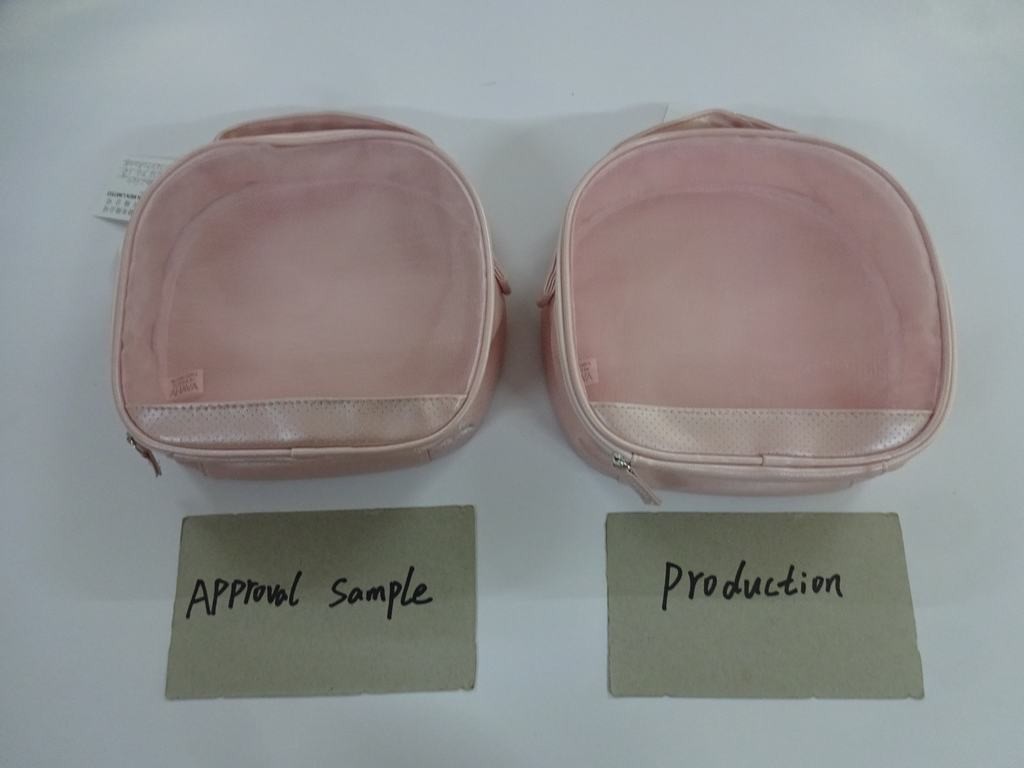
A pre-shipment inspection helps buyers verify whether the finished goods match the approved sample, purchase requirements, and shipment expectations. It is especially useful when the order value is high, the supplier is new, or payment must be made before dispatch.
What a Pre-Shipment Inspection Usually Covers
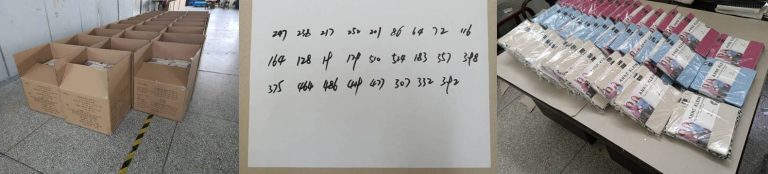
A practical inspection usually focuses on product quality, quantity, packaging, labeling, and overall shipment condition. Inspectors check whether the goods are complete, whether the packed quantity is correct, and whether visible defects or inconsistencies appear in the selected samples.
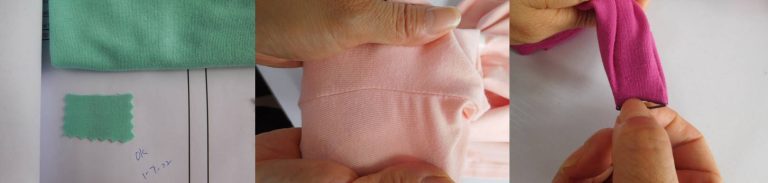
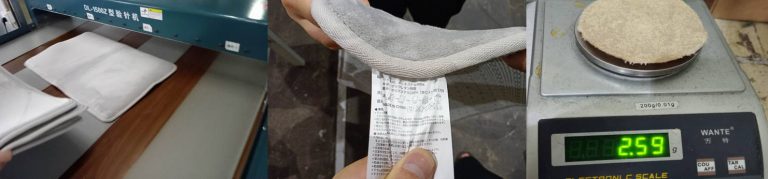
Depending on the product, the inspection may also include measurement checks, assortment verification, carton review, barcode confirmation, logo review, and selected on-site functional checks. The exact scope should follow the product specification, approved sample, and buyer requirements.
What Problems PSI Can Help Identify
Pre-shipment inspection helps identify common issues before the goods are released. These may include poor workmanship, color variation, wrong size, missing accessories, incorrect labels, weak packaging, or mixed models in the same shipment.
For importers, these are not small details. Problems found after shipment often lead to claims, delays, rework, extra freight cost, or disputes with the supplier. Identifying them at the factory stage is usually far more practical and less costly.
Why Third-Party Inspection Matters
When buyers cannot visit the factory themselves, a third-party inspection company provides an independent view of shipment quality. This helps buyers make decisions based on actual findings rather than only on supplier photos or internal promises.
An experienced inspection team can also check the goods against clear acceptance criteria and provide a report with photos, quantity results, and defect findings. This gives buyers a better basis for shipment approval, corrective action, or follow-up with the factory.
When to Book PSI
In most cases, PSI should be arranged when production is completed and at least most of the goods are packed and ready for checking. Booking too early may result in an incomplete inspection, while booking too late may leave little time for correction.
The best timing depends on the production schedule, shipment deadline, and the supplier’s packing progress. Buyers should also confirm the inspection standard, sample size, checkpoints, and reporting requirements in advance.
Final Thoughts
Pre-shipment inspection is a practical step for importers who want better visibility before shipment. It helps confirm whether the goods are ready for dispatch and whether avoidable quality or packaging problems need to be addressed before release.
For buyers sourcing from China, this type of check can support better shipment decisions and reduce unnecessary risk. To review the full process, scope, and service details, you can also visit our Pre-Shipment Inspection (PSI) service page.