For buyers sourcing from China, full inspection can be a useful option when tighter shipment control is needed. However, not every order requires every unit to be checked. In many cases, the right choice depends on the product, the defect risk, and the buyer’s quality expectations. Before deciding, it is helpful to understand what Full Inspection is and when other inspection services may be more suitable.
What Is Full Inspection?
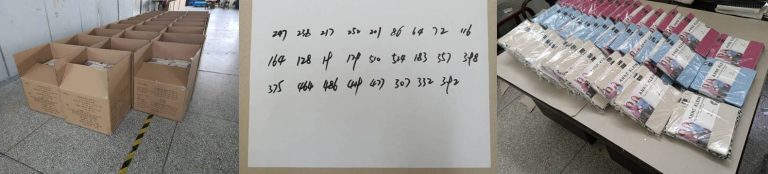
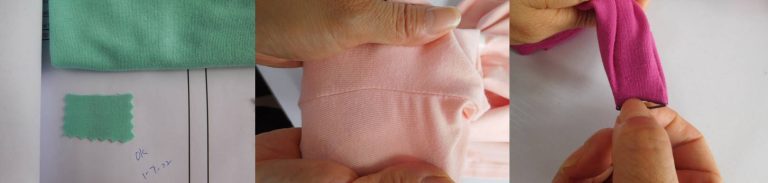
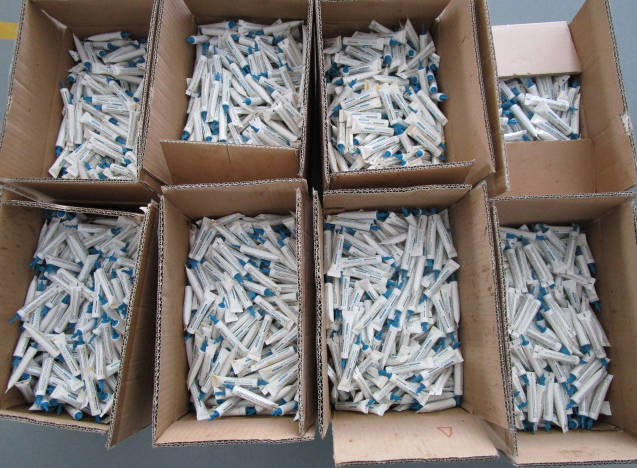
Full inspection, also called 100% inspection, means every unit in the order is checked instead of only a sample. This gives buyers a higher level of visibility because each product is reviewed against the approved requirements.
Compared with sampling inspection, this method provides tighter control over consistency. For some importers, it is a practical option within broader quality inspection services, especially when product quality must be controlled unit by unit.
When Is Full Inspection Worth Considering?
Full inspection is usually more suitable when defects may lead to customer complaints, returns, safety concerns, or brand damage. It can also be useful when previous shipments had repeated quality problems or when the product has strict appearance or functional requirements.
In practice, buyers often consider it for:
- products with high return risk
- orders with repeated quality issues
- retail or e-commerce goods
- products with visible appearance requirements
- items that must function consistently
For these cases, Full Inspection may provide better protection than a standard sampling method.
What Products Are More Suitable?
Not every product needs 100% inspection. In general, it is more suitable for products where appearance, assembly, function, or retail presentation needs closer control.
This may include consumer goods, promotional items, gift products, retail-packed items, and products that are more likely to trigger complaints if consistency is poor. Buyers should still compare Full Inspection with other quality control services to decide what is most practical for the order.
When Another Inspection Method May Be Enough
Although full inspection offers deeper control, it is not always the most efficient option. For low-risk or highly standardized products, a sampling-based inspection may already provide enough visibility before shipment.
Depending on the product and the defect history, buyers may also choose Pre-Shipment Inspection or another type of inspection service. The best method depends on the level of risk, the order value, and how much control is needed before release.
Final Thoughts
Full inspection can be a practical choice when buyers need product-by-product control before shipment, especially for orders with higher defect risk or stricter retail expectations. However, it is not the right solution for every order. For broader support, working with a reliable third-party inspection company can help buyers choose the right quality control approach before shipment.