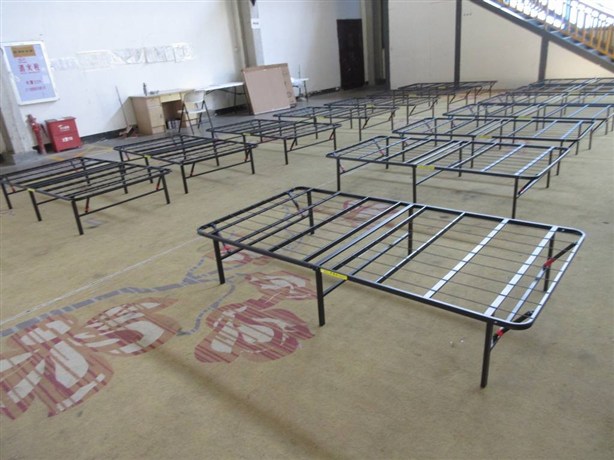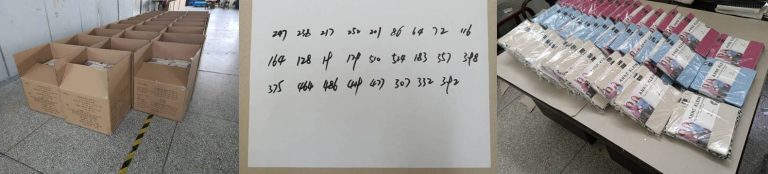
On-site tests and functional checks confirm whether a product can work properly under basic inspection conditions. This is an important part of quality inspection services, because appearance alone is not enough. A product may look acceptable but still fail in actual use.
This check focuses on whether the product operates normally, whether parts fit correctly, and whether key functions are consistent across sampled units. It helps buyers identify practical quality risks before shipment.
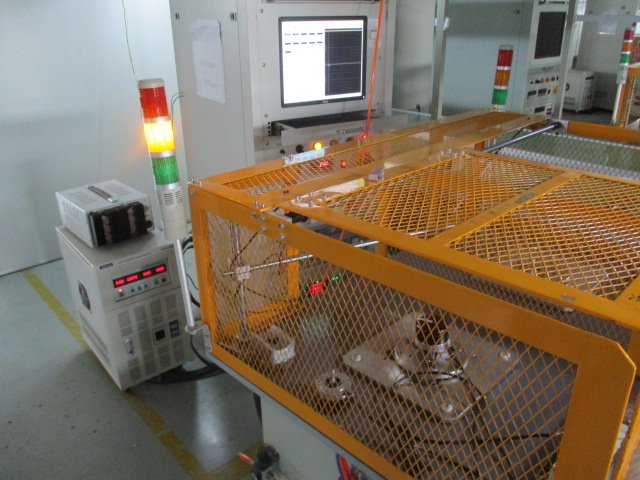
What Inspectors Check
Inspectors carry out simple checks based on the product type, structure, and intended use.
Basic operation and main function
Inspectors verify whether the product can power on, open and close, connect, respond, run, or perform its main intended function under normal inspection conditions.
Assembly and fitting
They also check whether parts, components, and accessories are assembled correctly and fit properly. Loose parts, poor fitting, or missing accessories are common functional issues.
Movement, stability, and response
For products with moving or adjustable parts, inspectors check whether the movement is smooth, stable, and free from jamming, excessive looseness, or weak response.
Some on-site checks also help identify obvious safety risks during normal use, such as sharp edges, unstable structures, overheating, weak fastening, or exposed components.
Why It Matters
Functional problems often lead to customer complaints, returns, and shipment disputes. Even if the appearance is acceptable, a product may still be rejected if it cannot operate properly or perform its intended use.
That is why on-site tests are often an important part of Initial Production Check, During Production Inspection, and Pre-Shipment Inspection. They help buyers assess not only how the product looks, but also whether it actually works.
Common Problems Found
Common issues include products that do not power on, parts that do not fit correctly, unstable or jammed movement, weak performance, missing accessories, and inconsistent function across the shipment.
When the same issue appears repeatedly in sampled units, it often shows weak production control rather than an isolated defect. In many cases, these findings are also linked to workmanship and defect inspection and may affect the AQL result if the problem reduces product acceptance.
Conclusion
On-site tests and functional checks are a practical way to verify whether products can be used normally before shipment. They help buyers find functional risks that may not be visible in appearance inspection alone. When combined with AQL inspection and other checks on NBNQC, they provide a more complete view of shipment quality and help support clearer shipment decisions.