When buyers source welded products from China, quality issues often appear in weld appearance, alignment, dimensions, and surface finishing around the joint area. A practical welded parts inspection checklist helps identify visible defects before shipment and supports better control of welded assemblies. For buyers who need broader mechanical parts inspection in China, welded parts should be treated as a relatively higher-risk category because welding may affect both appearance and functional performance.
Why Welded Parts Need Special Inspection
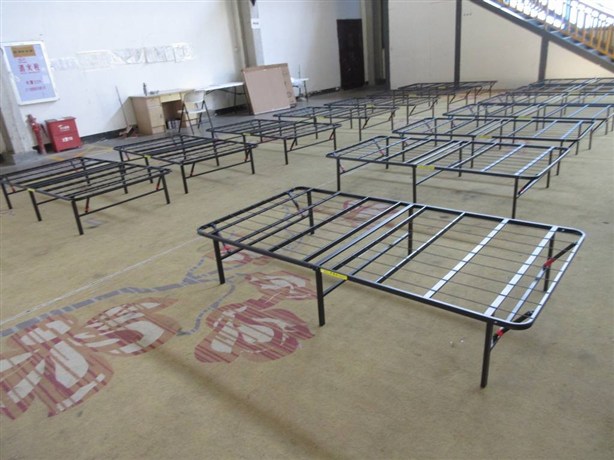
Welded parts are widely used in brackets, frames, supports, carts, hardware, and fabricated assemblies. Compared with simple machined parts, they are more likely to show problems caused by welding skill, heat distortion, joint preparation, grinding quality, and post-treatment.
For importers, the key question is not only whether the product looks acceptable, but also whether it matches the approved drawing, fits correctly in use, and remains consistent across sampled units.
Key Inspection Points for Welded Parts
1. Check Drawings, Samples, and Requirements
Before inspecting the product, inspectors should confirm the approved drawing, sample, specification, and workmanship criteria. Weld acceptance should be based on agreed requirements such as dimensions, weld position, weld length or size, finishing standard, coating requirement, and packaging details.
Without a clear reference, it is difficult to judge whether a weld condition is acceptable.
2. Check Weld Appearance and Workmanship
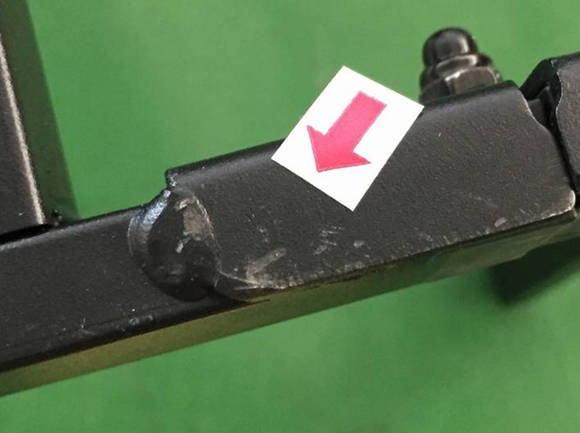
Visual inspection is the first step for welded parts. Inspectors should check whether welds are reasonably uniform, correctly positioned, and consistent with the approved standard.
Common concerns include:
- irregular weld bead shape
- inconsistent weld width
- excessive weld buildup
- rough grinding marks
- excessive spatter
- poor finishing around the welded area
Even when function is not affected, poor weld appearance may still lead to customer complaints, especially for exposed metal parts.
3. Check Common Weld Defects
A practical inspection checklist should include the main visible weld defects that may affect appearance, strength, or product acceptance.
Typical defects include:
- cracks
- visible porosity
- undercut
- overlap
- incomplete weld areas
- burn-through
- pinholes
- missed welding points
- sharp edges after grinding
Obvious defects should be recorded clearly with photos and quantity findings in the inspection report.
4. Verify Alignment and Welding Deformation
Heat from welding may cause the finished part to bend, twist, tilt, or become misaligned. This is one of the most common risks on welded mechanical products.
Inspectors should check whether:
- frames sit flat
- both sides remain symmetrical
- holes and mounting points are aligned
- corners and angles remain correct
- the part fits related components when applicable
A part may look acceptable visually but still fail in assembly because of welding distortion.
5. Measure Critical Dimensions After Welding
Welding can change finished dimensions, so the completed welded part should be measured against the approved drawing.
Important checkpoints may include:
- overall length, width, and height
- angle and squareness
- hole position
- center distance
- flatness
- tube or frame spacing
For buyers arranging mechanical parts inspection in China, post-welding dimensional checks are one of the most practical ways to reduce assembly and installation problems.
6. Check Surface Finish Around Welded Areas
The weld itself is only part of the final quality result. Inspectors should also check the surrounding surface condition, especially if the product requires painting, powder coating, galvanizing, plating, brushing, or polishing.
Points to review include:
- over-grinding
- rough edges or burrs
- coating unevenness near welds
- paint bubbling or peeling
- burn marks or discoloration
- rust or oxidation before coating
If the weld area is not finished properly, the product may show appearance inconsistency or reduced surface protection.
7. Review Fit, Function, and Basic Use Condition
For many welded products, appearance alone is not enough. Inspectors should also review whether the part works as intended.
Depending on the product, this may include:
- assembly fit check
- movement check for welded joints or hinges
- stability check for frames or stands
- simple load-related check if required
- comparison with the approved sample
This kind of inspection helps detect obvious functional risks before shipment, although it does not replace formal lab or engineering testing.
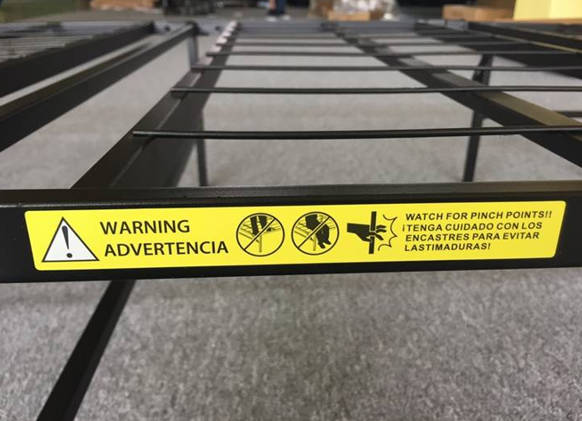
8. Check Marking, Quantity, and Packaging
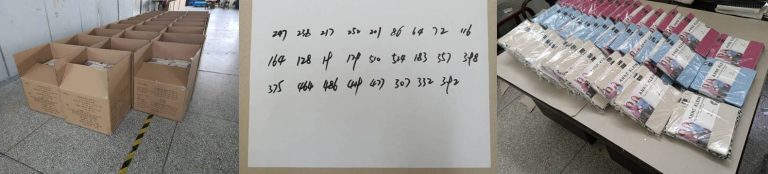
The final stage should include marking and packaging review. Even qualified welded parts may arrive damaged if protection is poor.
Inspectors can check:
- item identification
- quantity confirmation
- traceability marks if required
- protection for sharp edges or coated surfaces
- inner packing to prevent scratches
- carton marks and shipping labels
For welded metal parts, packaging protection is especially important when corners, painted surfaces, or polished areas can be damaged during transport.
When This Checklist Is Useful
A welded parts inspection checklist is especially useful when the supplier is new, the product is a fabricated assembly, dimensional accuracy matters, previous orders had weld issues, or the buyer wants better control before final shipment.
Final Thoughts
Welded parts inspection should cover more than the weld bead itself. Importers should review weld appearance, visible defects, dimensions, alignment, surface finish, fit, and packaging before shipment. This is a practical way to reduce quality risk on welded assemblies and improve shipment consistency.