Socks may look like simple textile products, but quality problems are common in bulk production. Issues such as wrong material, poor elasticity, size inconsistency, loose threads, color variation, labeling mistakes, or packing errors can easily lead to complaints after delivery.
That is why socks quality control and inspection should not be treated as a routine formality. For buyers, it is a practical way to check whether the goods match the approved sample, technical requirements, and packaging instructions before shipment.
Contents
Main Quality Requirements for Socks
The quality of socks usually depends on a few key points. The first is material consistency. Buyers often need to confirm whether the yarn, fabric feel, thickness, and overall construction match the approved specification.
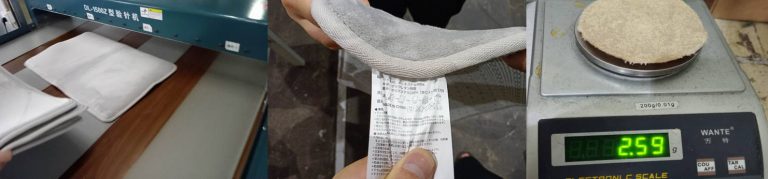
Size and fit are also important. Socks should be measured against the size requirements, and paired products should be consistent in length, shape, and elasticity. Poor recovery, uneven sizing, or mismatch within a pair can affect both comfort and saleability.
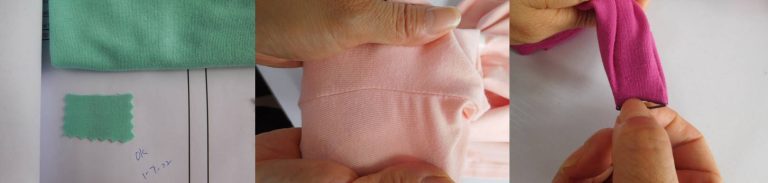
Workmanship is another major checkpoint. Inspectors usually look for knitting defects, holes, dropped stitches, loose threads, poor toe linking, uneven cuffs, stains, oil marks, or obvious appearance problems. For retail orders, color shade, pattern accuracy, and overall presentation are also important.
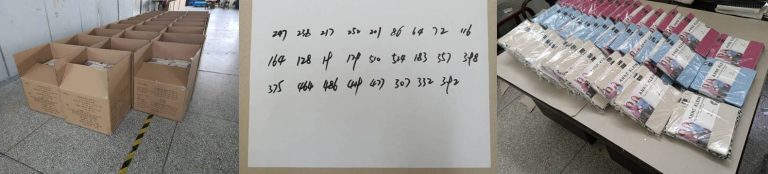
In addition, labeling, assortment, and packaging should be checked carefully. Size labels, hangtags, barcodes, carton marks, and packing ratio should match the buyer’s requirements to avoid shipping or retail problems later.
Standards and Compliance Considerations
Depending on the product and target market, socks may also need to meet certain safety or textile-related requirements. Buyers may refer to standards or testing requirements related to harmful substances, color fastness, fiber content, or general textile performance.
In some cases, references may include Oeko-Tex Standard 100, relevant ASTM textile test methods, or factory system standards such as ISO 9001. The exact requirement depends on the product type, buyer specification, and destination market.
For this reason, inspection is not only about visible defects. It is also useful to confirm whether labels, product information, and supporting documents are aligned with the order requirements before goods are released.
The Role of Third-Party Inspection
A third-party inspection company helps buyers check product quality independently during production and before shipment. This is especially useful when the buyer is not on site and needs a clearer view of actual production quality.
During During Production Inspection, inspectors can review workmanship, material consistency, sizing, and early packaging details while production is still in progress. This helps identify recurring issues before the full order is finished.
During Pre-Shipment Inspection, inspectors usually verify quantity, perform visual checks, confirm size assortment, review labeling and packaging, and inspect the goods through random sampling based on AQL standard. This stage helps buyers decide whether the shipment is ready for release.
For socks orders, these inspections are practical because many common problems are easier to identify before shipment than after the goods reach the destination market.
Final Thoughts
Socks quality control involves more than a basic appearance check. Material consistency, sizing, workmanship, labeling, and packaging all influence whether the goods can meet buyer requirements and market expectations.
For importers sourcing from China, combining During Production Inspection and Pre-Shipment Inspection can help identify problems earlier, reduce avoidable claims, and improve shipment control. We provide quality control services in China for buyers who need practical inspection support for textile and socks.