Why Electroplated Products Inspection Matters
Electroplated products inspection helps buyers confirm whether plated parts meet appearance and performance expectations before shipment. Electroplating is often used to improve corrosion resistance, wear resistance, conductivity, or visual finish, but if the process is poorly controlled, the goods may still show defects that affect both durability and customer acceptance.
For importers buying from China, plated products can create claims even when the general construction looks acceptable. Surface defects, weak adhesion, uneven coating, or poor finishing may only become obvious after transport, storage, or use. That is why this type of inspection should focus not only on appearance, but also on the consistency and reliability of the plated surface.
Main Checks in Electroplated Products Inspection
In most cases, the first step is visual inspection. Inspectors check whether the plating is even, clean, and consistent, and whether there are visible defects such as scratches, bubbles, stains, cracks, rough spots, peeling, pinholes, or discoloration. For decorative or consumer-facing items, appearance is often one of the most important acceptance points.
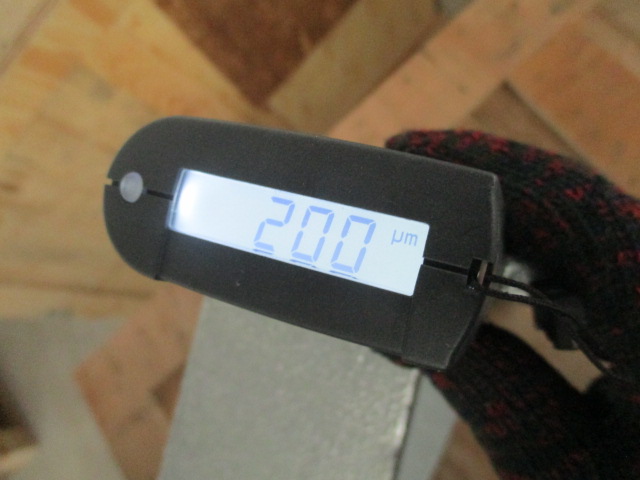
Coating thickness is another key control point. If the plated layer is too thin, the product may not provide the expected corrosion resistance or service life. If it is inconsistent, the overall finish and protection level may also vary from piece to piece. Depending on the product specification, thickness may be reviewed against drawings, approved samples, or technical standards such as ASTM B568 or ISO 3497.
Adhesion is equally important. A plated surface may look acceptable during a quick check, but poor bonding can later lead to peeling or flaking. For this reason, electroplated products inspection should also consider whether adhesion requirements have been properly controlled, with standards such as ASTM B571 often used as technical reference points.
Standards, Testing, and Practical Inspection
Some electroplated products also require corrosion resistance evaluation, especially when they are used in humid, outdoor, hardware, or industrial environments. Salt spray testing is one of the most common methods referenced for this purpose, and ASTM B117 is widely used in related specifications.
At the same time, buyers should distinguish between on-site inspection and laboratory testing. A third-party inspector can normally verify appearance, workmanship, dimensions, labeling, quantity, packaging, and selected on-site checks, while certain performance tests may still require factory records or laboratory support. In practice, these two methods work best when used together.
Why Buyers Use Third-Party Inspection Before Shipment
For buyers, electroplated products inspection is a practical way to identify visible plating defects, finish inconsistency, and specification issues before the goods leave the factory. This is especially useful for products where surface quality directly affects market acceptance, corrosion resistance, or long-term performance.
For buyers sourcing from China, an effective third-party inspection process can help identify electroplating-related issues and provide a clearer understanding of the overall product quality before shipment. NBNQC provides professional mechanical parts inspection services in China for global buyers. For pricing or any other inquiry, please feel free to contact us.