Plastic parts are critical in industries such as automotive, aerospace, and medical devices. Ensuring their quality is vital for performance and safety. The inspection process, which includes evaluating various physical, mechanical, and aesthetic characteristics, plays a key role in maintaining product quality. For more detailed processes, refer to our Mechanical Parts Inspection.
In this guide, we’ll explore the essential steps and best practices for inspecting plastic parts, highlighting the importance of each technique in ensuring the parts meet their intended specifications.
Understanding Plastic Characteristics
Before beginning inspections, it’s important to understand the characteristics of plastics that impact performance. Key properties include:
- Thermal properties like melting temperature and thermal expansion.
- Mechanical strength including flexibility and impact resistance.
- Chemical resistance to ensure durability against corrosive substances.
Inspection & Testing
Visual Inspection
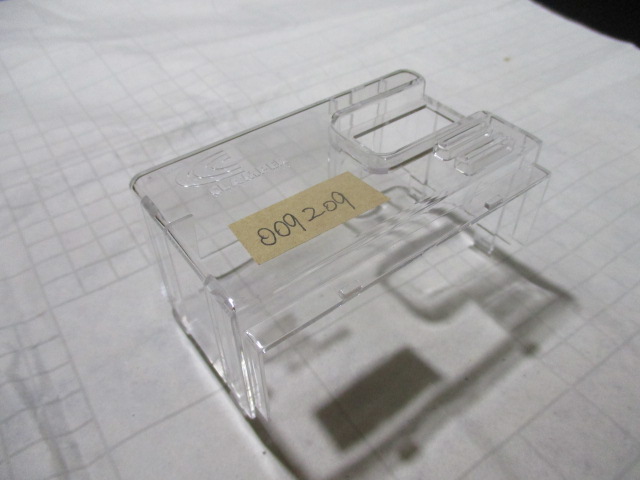
The first step in quality control is visual inspection. This involves checking the surface of plastic parts for defects such as scratches, dents, discoloration, or warping. Visual inspection can be done manually by trained inspectors or via automated systems with high-resolution cameras and image processing software to detect defects.
Dimensional Inspection
Dimensional accuracy is critical for the fit and function of plastic parts. Common techniques for measuring dimensions include:
- Calipers and Micrometers for basic measurements of length and thickness.
- Coordinate Measuring Machines (CMM) for complex 3D measurements.
- Optical Comparators for inspecting shapes and outlines.
Material Testing
Material testing ensures that the plastic parts possess the necessary physical and chemical properties. Common tests include:
- Tensile Testing for strength and elongation.
- Impact Testing for toughness.
- Thermal Analysis for temperature-related behaviors.
- Chemical Resistance Testing to assess durability under exposure to chemicals.
Functional Testing
Functional testing simulates real-world conditions to verify the plastic parts perform as intended. This can include load testing, wear and tear analysis, and fatigue testing.
Environmental Testing
Plastic parts may also be subjected to environmental tests to assess performance in extreme conditions. This includes tests for resistance to UV light, moisture, extreme temperatures, and salt spray.
Compliance with Standards
Adhering to industry standards is crucial for ensuring product quality. Standards set by organizations like ASTM or ISO provide guidelines on acceptable limits for various properties and defects. Compliance with these standards guarantees that the plastic parts meet the required safety and performance benchmarks.
Advanced Techniques
Advanced testing methods, such as:
- Spectroscopy for chemical composition analysis.
- Microscopy for microstructure examination.
- Computed Tomography (CT) Scanning for non-destructive 3D internal inspection.
These methods provide a more in-depth understanding of the material’s properties.
With the advancement of technology, many inspections are now automated. Automated systems can detect defects that the human eye might miss, offering fast, reliable, and consistent results. Automation helps improve efficiency and ensures a higher level of precision in quality control.
Quality Assurance Documentation
Documentation is a vital part of the inspection process. It provides a record of compliance with quality standards and ensures traceability. This includes detailed inspection reports, test results, and certifications that may be required by customers or regulatory bodies.