Garment material inspection is an important part of apparel quality control. In garment orders, the finished product may look acceptable at first sight, but if the fabric, zipper, button, or other trims do not match the approved standard, the order can still create complaints. That is why material should be checked as a separate point during garment inspection services.
What Should Be Checked in Garment Material Inspection
In garment material inspection, inspectors first review the client’s material specifications, including the main fabric, lining, buttons, zippers, labels, elastic parts, and decorative accessories. The purpose is to confirm whether the materials used in bulk production are consistent with the approved sample and order requirements.
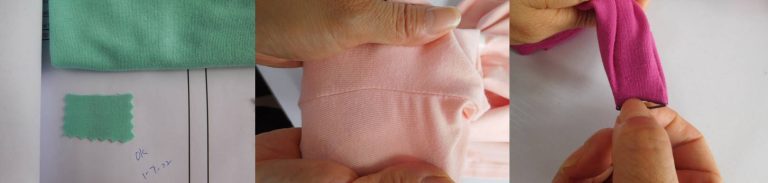
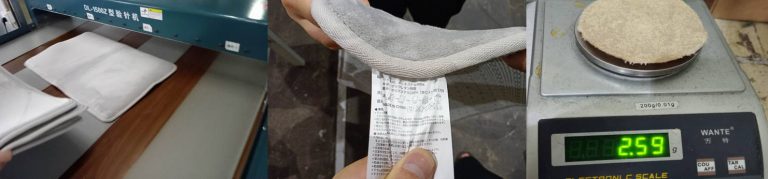
On site, inspectors usually check random samples by visual comparison and hand feel to assess fabric texture, thickness, color tone, softness, and overall appearance. They also verify whether trims and accessories match the required type, color, finish, and quality. When requested by the client, inspectors may additionally carry out a fabric weight check by cutting a 100 mm circular specimen and weighing it precisely to confirm whether the fabric weight meets the specified requirement.
How to Verify Material During Inspection
A good garment material inspection is not limited to “looks similar.” Inspectors should pay attention to differences that may affect buyer acceptance, such as fabric that feels thinner than the approved sample, accessories with poor finish, or visible differences in color, texture, or quality level. In many cases, these problems are easier to notice when the bulk goods are checked side by side with the approved reference.
When required by the client, inspectors can also ask the supplier to provide third-party material test reports. These reports are reviewed against the client’s specifications to confirm whether the materials meet the expected quality and safety requirements. This is especially useful when the order has specific performance or compliance expectations.
Common Material Issues Found in Garment Orders
Common material problems in garment orders include wrong fabric hand feel, incorrect trim quality, color inconsistency between components, and use of accessories that do not match the approved version. Sometimes the issue is not an obvious defect, but a lower-grade substitute that changes the overall quality impression of the garment.