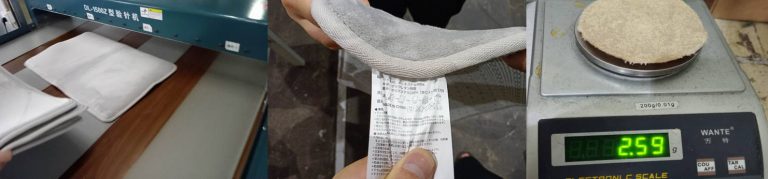
Dimensions and weight check confirms whether the product itself matches the approved specifications. It is an important part of quality inspection services, because size or weight deviations may affect fit, assembly, function, and customer acceptance.
This check applies to the product only. It does not include inner packaging or outer carton dimensions and weight, which should be checked separately under packing, packaging, and shipping marks inspection.

Contents
What Inspectors Check
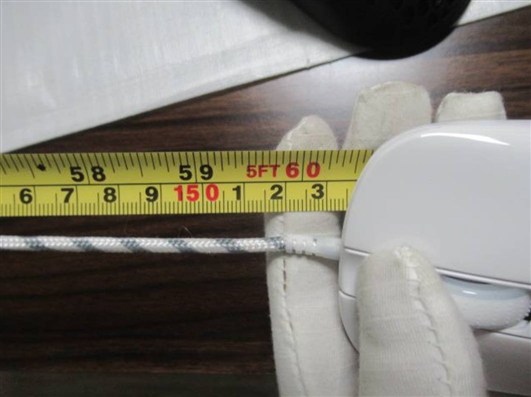
Inspectors compare actual product measurements with the approved sample, drawing, specification sheet, or tolerance standard.
Overall dimensions
Inspectors check whether the overall product size matches the required specifications. This helps confirm whether the product has been made correctly and whether it is suitable for its intended use.
Key functional dimensions
They also verify important dimensions that affect fitting, assembly, installation, or performance. Even small deviations in critical areas may cause use or compatibility problems.
Product weight
Inspectors check the net weight of the product itself, without inner or outer packaging. Abnormal product weight may indicate wrong materials, missing parts, incomplete assembly, or process variation.
Consistency between samples
Measurements are also compared across checked samples to see whether dimensions and weight are consistent within the shipment. Large variation often indicates weak production control.
Why It Matters
Incorrect product dimensions may affect fitting, assembly, operation, packing suitability, or end use. Product weight deviation may suggest missing components, wrong materials, incomplete processing, or inconsistent production.
That is why this check is closely related to Initial Production Check, During Production Inspection, and Pre-Shipment Inspection. It helps buyers confirm that the products meet specification before shipment.
Common Problems Found
Common issues include out-of-tolerance dimensions, abnormal product weight, missing or oversized parts, and inconsistent measurements across samples.
In some cases, the product may look acceptable, but incorrect size or weight still creates problems in assembly, use, or customer acceptance. These issues are often more serious when the product has strict fitting or technical requirements.
Conclusion
Dimensions and weight check is a practical way to verify whether the product itself matches approved requirements. By checking product measurements early and before shipment, buyers can reduce the risk of fitting problems, functional issues, and specification disputes.
When combined with other checks on NBNQC, it gives buyers a clearer view of product conformity and overall shipment quality.