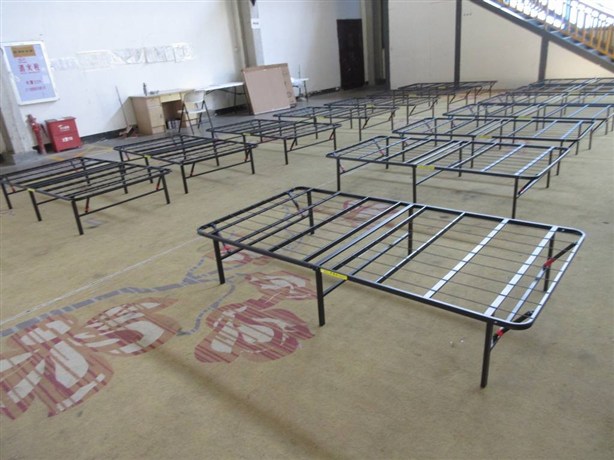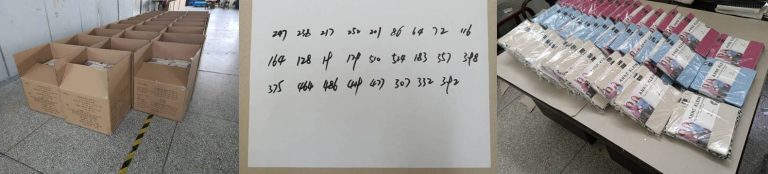
Why the Final Loading Stage Still Matters
For importers, the final loading stage is one of the last chances to identify shipping problems before the goods leave the factory or warehouse. Even when production is finished, issues such as wrong quantity, damaged cartons, poor loading methods, or unsuitable container condition may still affect the shipment.
That is why many buyers rely on third-party inspection services to keep better control over this stage. A proper container loading check before sealing can improve shipment visibility and help reduce disputes after departure.
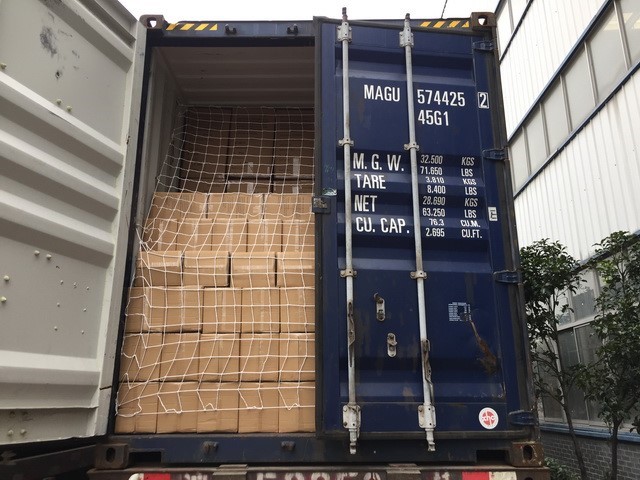
Common Loading Risks Before Container Sealing
1. Wrong Quantity or Mixed Cartons
One common problem is that the loaded quantity does not fully match the packing list or shipping arrangement. In some cases, some cartons are missing. In others, wrong items or mixed cartons are loaded by mistake.
Checking the loading quantity and outer carton information before sealing helps reduce these avoidable shipment errors.
2. Poor Container Condition
A container that is wet, dirty, damaged, or has a strong odor may create direct risk for the cargo. Water stains, holes, broken flooring, or door problems should not be ignored before loading starts.
A basic container condition check can help identify visible problems before the goods are put inside.
3. Damaged Cartons or Weak Outer Packaging
Even if the products themselves are acceptable, weak or damaged export cartons can still create transportation problems. Crushed cartons, poor sealing, wet packaging, or unclear shipping marks may affect loading safety and increase the risk of cargo damage.
This is why outer carton condition should also be reviewed during the final shipment stage.
4. Improper Stacking or Handling
Another common issue is poor loading practice. Cartons may be stacked unevenly, placed without enough support, or handled in a rough way that increases the chance of deformation, collapse, or shifting during transit.
The goal is not only to fill the container, but to load the goods in a safer and more reasonable way.
5. Missing Loading Records
If there are no clear photos, quantity notes, container number records, or seal records, it becomes harder to confirm what actually happened before shipment.
Complete on-site records can help buyers better understand the loading situation and reduce communication problems later.
How Buyers Can Reduce These Shipment Risks
A practical way to reduce loading-related problems is to review the shipment conditions on site before container sealing. This usually includes checking visible container condition, carton status, loading quantity, loading method, and basic shipment records.
For buyers sourcing from China, this kind of final shipment check can provide better control at the last stage before departure, especially for orders where quantity accuracy, packaging condition, and loading records are important.
Final Thoughts
Many shipment problems do not start at sea. They begin before the container is sealed. Wrong quantity, poor container condition, damaged cartons, and weak loading practices can all create avoidable risk.
By paying more attention to the final loading stage, buyers can improve shipment control and reduce disputes after the goods leave factory.