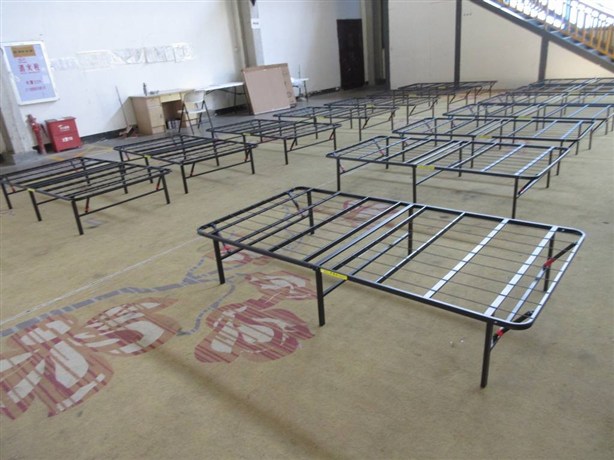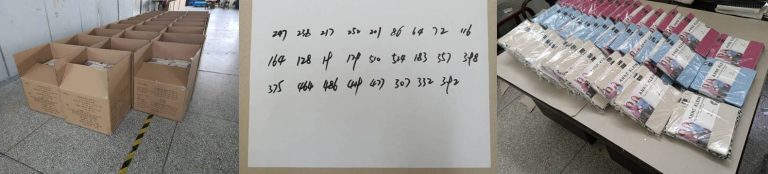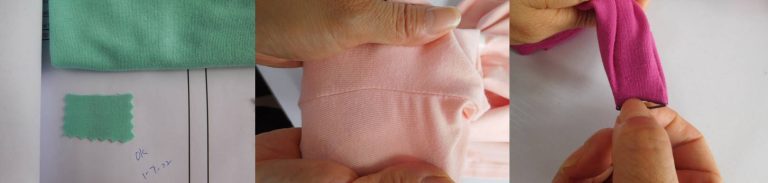
Garment workmanship inspection is one of the most important parts of apparel quality control. A garment may use the correct fabric and follow the right measurements, but if the sewing quality is poor, the order can still create complaints. In practice, workmanship checks focus on whether the bulk goods are made neatly, consistently, and within the agreed acceptance standard.
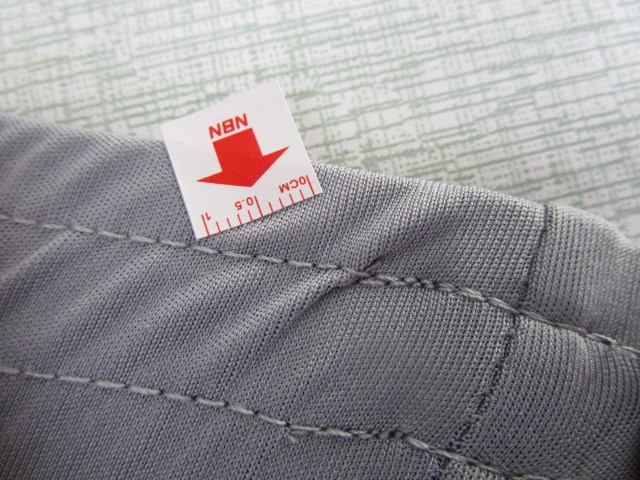
What Should Be Checked in Garment Workmanship Inspection
In garment workmanship inspection, inspectors review the overall sewing quality of the garment and look for visible defects that affect appearance, function, or saleability. Common checkpoints include seam quality, stitch consistency, thread trimming, alignment, shape, attachment of accessories, and general finishing. The purpose is not only to find bad pieces, but to judge whether the shipment as a whole meets the required quality level.
How to Carry Out Garment Workmanship Inspection
A proper garment workmanship inspection should be based on random sampling. The number of samples is determined according to the requested inspection level and the lot size, usually with reference to international AQL inspection standards. Each selected garment is then checked individually, and defective units are identified, classified, and counted before the final inspection result is made.
This process is important because workmanship is rarely judged by one sample alone. A factory may present several good-looking pieces, while defects appear in other cartons or size ranges. Random inspection gives buyers a more realistic view of production consistency and helps decide whether the shipment remains within the agreed acceptance limits.
Common Workmanship Defects in Garment Orders
In garment orders, workmanship defects are usually grouped by severity. Critical defects include anything that creates a safety risk or violates requirements, such as sharp objects left inside the product. Major defects are problems that affect saleability or customer acceptance, such as obvious twisting, holes, damage, or noticeable construction issues. Minor defects are less serious issues, such as untrimmed threads or small spots, which may not affect use but still reduce the overall quality impression.
For buyers, the key point is not just whether a defect exists, but how often it appears in the shipment and how serious it is. That is why workmanship should be checked in a structured way, with clear classification and consistent judgment. In many apparel orders, this is a core part of Pre-Shipment Inspection.