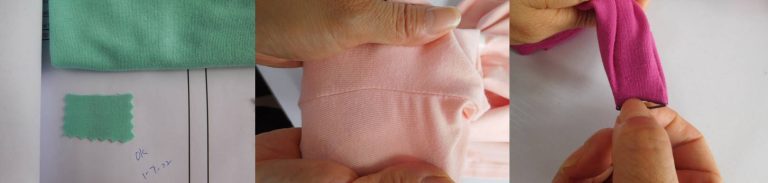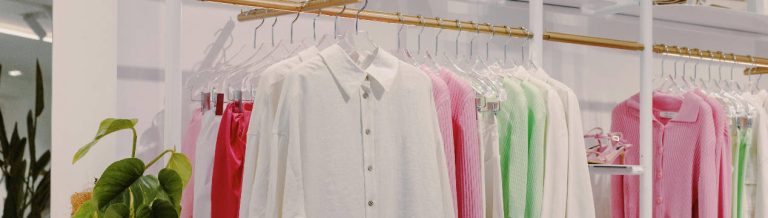
Garment appearance and style inspection is a key step in apparel quality control. In bulk production, garments may meet basic specifications but still look different from the approved sample. That is why inspectors should verify not only whether the garment is made, but whether it looks right in terms of style, color, pattern, decoration, and finishing.
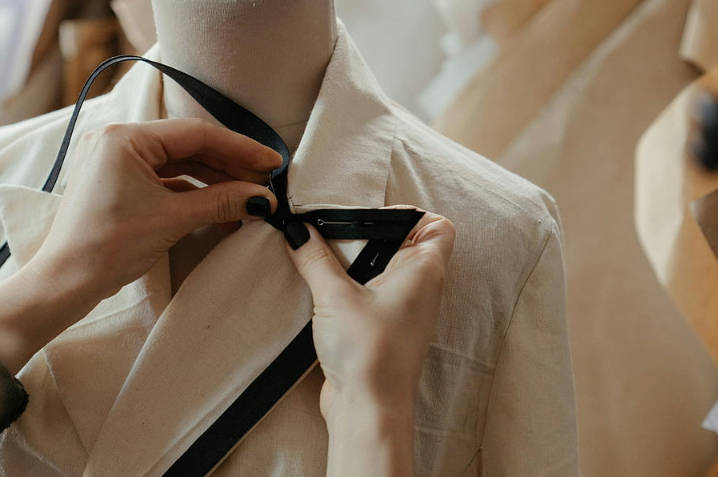
What Should Be Checked in Garment Appearance and Style Inspection
In a garment appearance and style inspection, the first step is to compare the bulk goods with the approved sample, latest comments, and product specifications. Inspectors should check the overall silhouette, style details, color consistency, pattern placement, and whether the visual effect matches what the buyer approved.
They should also review visible details such as print position, embroidery quality, embellishments, and finishing. A garment may be wearable, but if the logo is misplaced, the embroidery is rough, or the final look is different from the approved version, it should still be treated as a quality issue.
How to Verify Appearance and Style During Inspection
The most practical way to verify appearance and style is to inspect random samples side by side with the approved reference. This helps inspectors see whether the finished product truly follows the approved style, structure, color, and decorative details. If there is any visible deviation, it should be recorded clearly with photos and comments.
Inspectors should pay special attention to issues that are easy to miss in production but obvious to buyers and end customers. Common examples include shade variation, poor symmetry, distorted shape, off-center prints, uneven decorative details, and weak finishing. These problems may not stop the garment from being used, but they can still affect saleability and buyer acceptance.