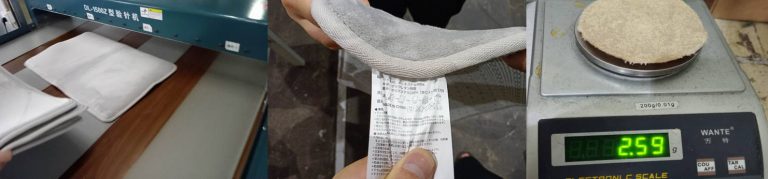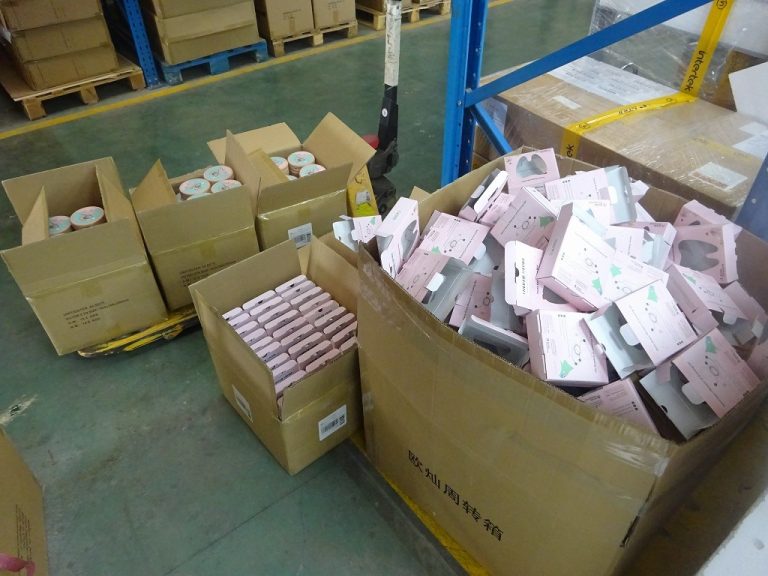
Workmanship and defect inspection checks the visible quality of products and evaluates whether the shipment is acceptable under AQL inspection rules. It is a key part of quality inspection services, because even when quantity, color, and labeling are correct, poor workmanship can still lead to complaints, returns, and shipment rejection.
This inspection focuses on visible defects, finishing quality, and whether the number of defects found in the sample stays within the acceptance limits. It helps buyers make shipment decisions based on a standard sampling method rather than on a few individual pieces only.
Contents
What Inspectors Check
Inspectors examine sampled units and record visible defects that affect appearance, function, or customer acceptance.
Surface finish and appearance
Inspectors check whether the product surface is clean and consistent, without scratches, stains, dents, glue marks, poor printing, or color inconsistency.
Assembly quality and neatness
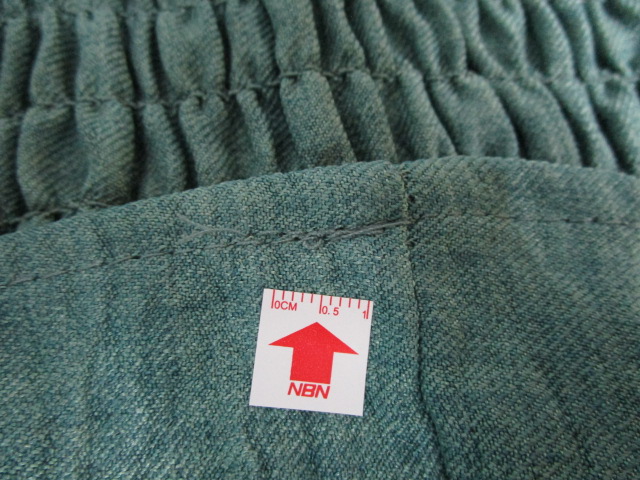
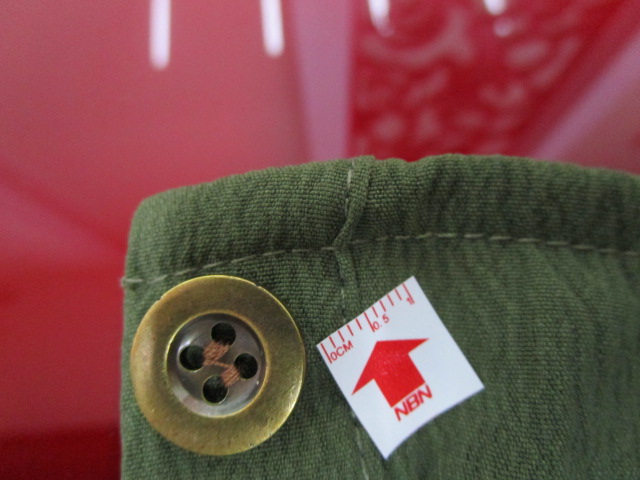
They also check whether the product is assembled properly. Common issues include loose parts, misalignment, rough edges, poor stitching, weak bonding, or uneven construction.
Some workmanship issues also affect use. Broken parts, unstable fitting, weak seams, or visible defects that interfere with function are usually treated more seriously.
Defect Classification
In AQL sampling, defects are usually divided into three categories. For practical examples, see our defect reference pages for garments, footwear, and socks.
Critical defects
Critical defects may affect safety, violate regulations, or make the product clearly unacceptable. These defects are normally not allowed.
Major defects
Major defects affect function, performance, saleability, or customer acceptance. These are serious defects even if they are not dangerous.
Minor defects
Minor defects are less serious appearance or finishing issues that do not normally affect function or safety, but still reduce overall quality.
How AQL Is Used
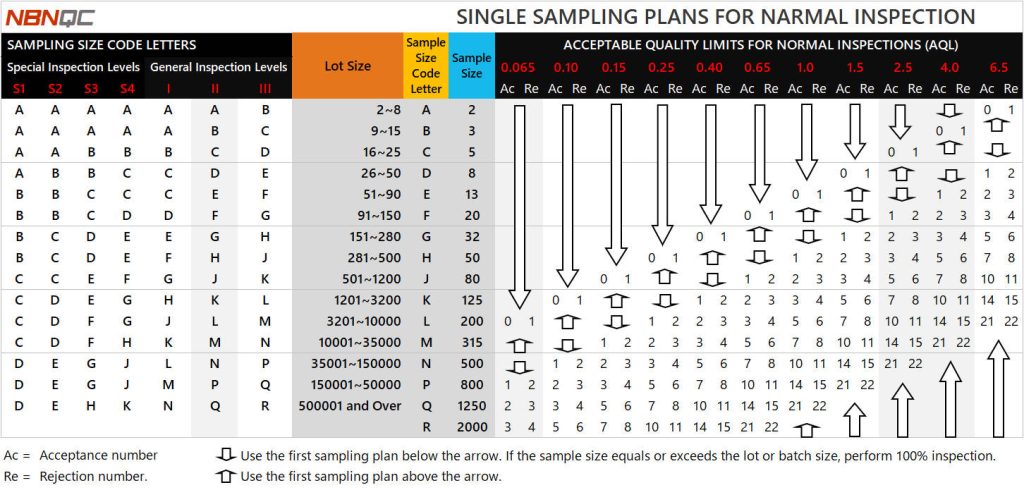
Inspectors select samples according to lot size and inspection level, then record the number of critical, major, and minor defects found. The results are compared with the acceptance limits under AQL inspection.
This gives buyers a practical and consistent way to judge shipment quality. It is also a good place to link to your AQL sampling calculator or AQL standard page.
Common Problems Found
Common workmanship issues include poor finishing, repeated appearance defects, loose or misaligned parts, rough assembly, damaged surfaces, glue marks, uneven stitching, and inconsistent workmanship across the shipment.
When the same defect appears repeatedly in the sample, it often indicates weak production control rather than an isolated problem. That is why this check is also closely related to Initial Production Check, During Production Inspection, and Pre-Shipment Inspection.
Conclusion
Workmanship and defect inspection is one of the most practical ways to assess visible product quality before shipment. By combining defect classification with AQL sampling, buyers can evaluate shipment quality in a more objective and consistent way.
For garments, footwear, and socks, this process becomes even more useful when supported by clear visual references and defect examples from your related pages on NBNQC.