Contents
Why Raw Material Inspection Matters in IPC
Raw material inspection is a key part of Initial Production Check. If materials are wrong, unstable, or inconsistent, the same problems usually continue into mass production.
Checking materials early helps buyers confirm whether the factory is using the correct materials, colors, components, labels, and packaging. This reduces rework, waste, and shipment delays.
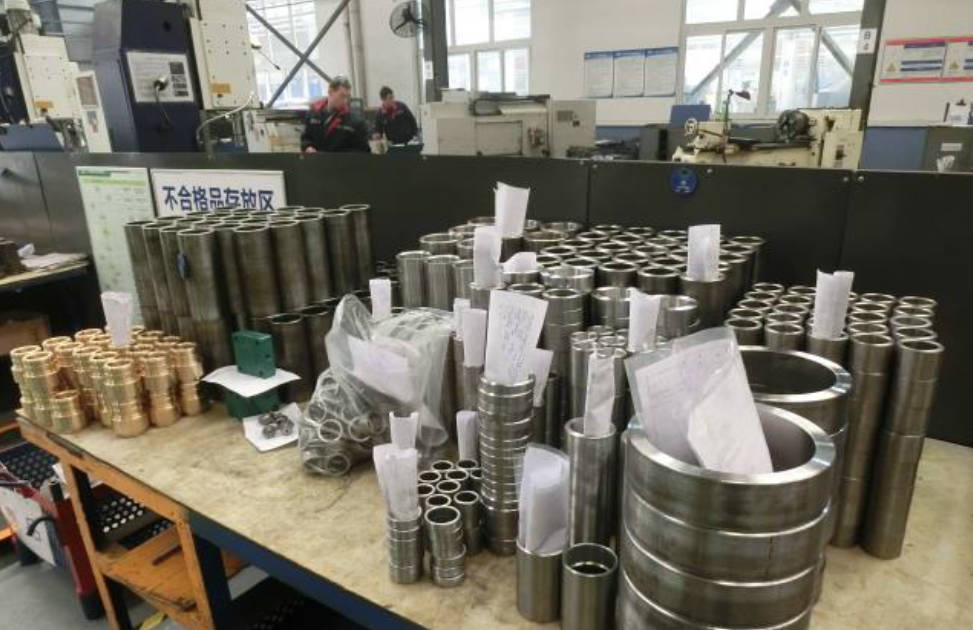
What Raw Material Inspection Covers
Raw material inspection checks whether incoming materials match approved samples, specifications, and order requirements. It focuses on the materials that affect appearance, function, safety, and consistency.
In IPC, inspectors may also review semi-finished items, production samples, and material readiness to confirm that production is starting on the right basis.
Main Inspection Points
Material specification
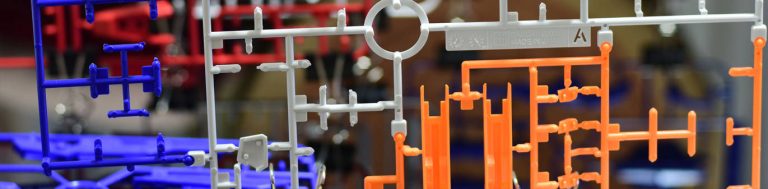
Check whether the actual material matches the required type, grade, thickness, composition, finish, or structure.
Color and appearance
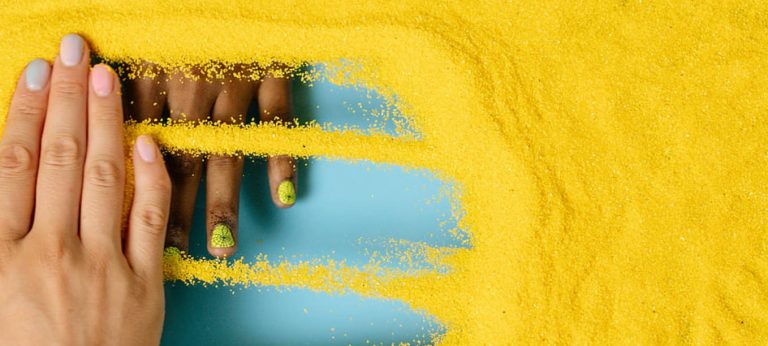
Check color, texture, surface finish, and visible consistency. Material variation often leads to final product variation.
Dimensions and weight
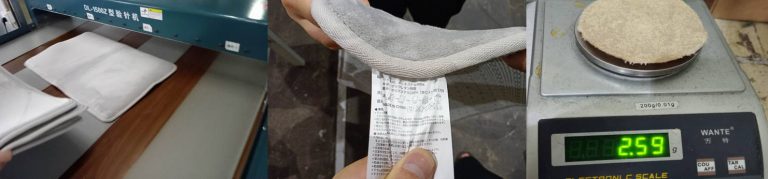
Check whether material size, thickness, width, or weight meets requirements.
Labels and printed items
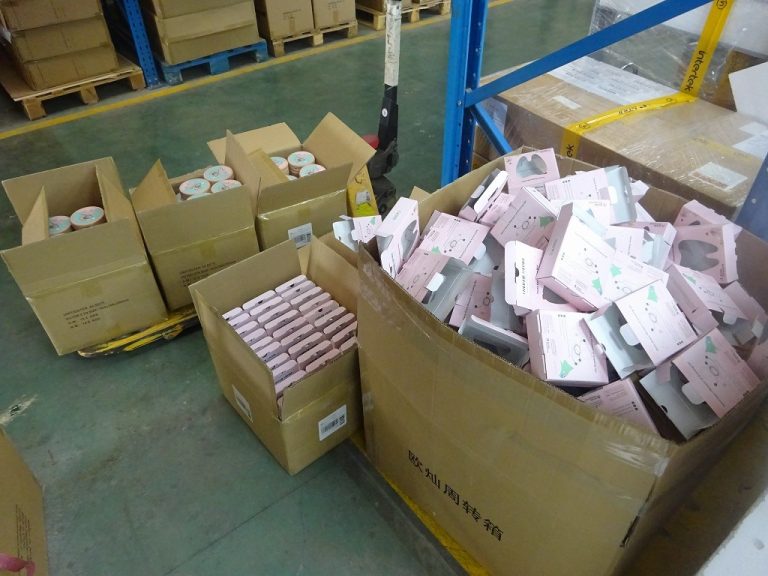
Check labels, tags, manuals, cartons, and printed components before they are used in production.
Basic on-site tests
Carry out simple checks such as measurement, visual review, color comparison, or basic function checks when applicable.
Common Problems Found
Typical issues include wrong materials, mixed batches, incorrect colors, poor surface finish, wrong dimensions, damaged parts, and incorrect labels or packaging materials.
If these problems are not found early, they often affect a large part of the order.
When It Is Most Useful
Raw material inspection is especially important when:
- working with a new supplier
- using new materials or new components
- making products with strict appearance or function requirements
- trying to prevent repeated quality issues from past orders
Conclusion
Raw material inspection helps control risk at the beginning of production. In Initial Production Check, it is one of the most practical ways to prevent defects before they spread through the whole order.