When sourcing products from China, many importers are asked to pay the remaining balance before the goods are shipped. At this stage, the buyer is close to the end of the order, but also close to the point where control becomes much weaker. This is why a Pre-Shipment Inspection (PSI) is often one of the most important checks in the whole purchasing process.
Once full payment has been made, it becomes much harder to push for corrections, replacements, or repacking. If something is wrong with the goods, the buyer may only discover it after arrival. By then, the cost of solving the problem is usually much higher than the cost of checking it before shipment.
Contents
Why full payment before shipment increases risk
Paying before shipment is common in international trade, but it shifts more risk to the buyer. Even when production appears to be completed, the finished goods may still contain issues such as wrong quantity, inconsistent workmanship, incorrect labels, poor packaging, or mixed models.
These problems are not always caused by dishonesty. In many cases, they come from rushed production, weak final checking, or simple packing mistakes. But once the balance is paid and the goods are dispatched, the buyer has far fewer options to correct the situation.
Why a third-party pre-shipment inspection matters
A third-party Pre-Shipment Inspection gives the buyer an independent view of the goods before shipment. Instead of relying only on factory self-checks, product photos, or verbal confirmation, the buyer receives direct verification of what is actually prepared for dispatch.
This is especially useful when payment terms require the balance to be settled before shipment. In that case, the inspection is not just a quality step. It is also a decision point that helps the buyer judge whether the goods are ready to ship and whether payment can be released with more confidence.
What a pre-shipment inspection usually covers
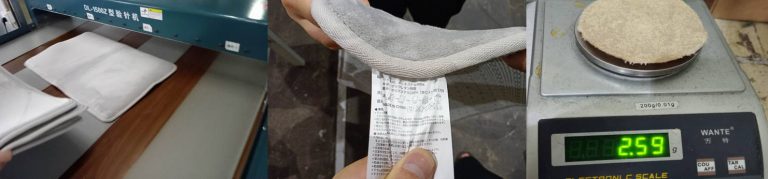
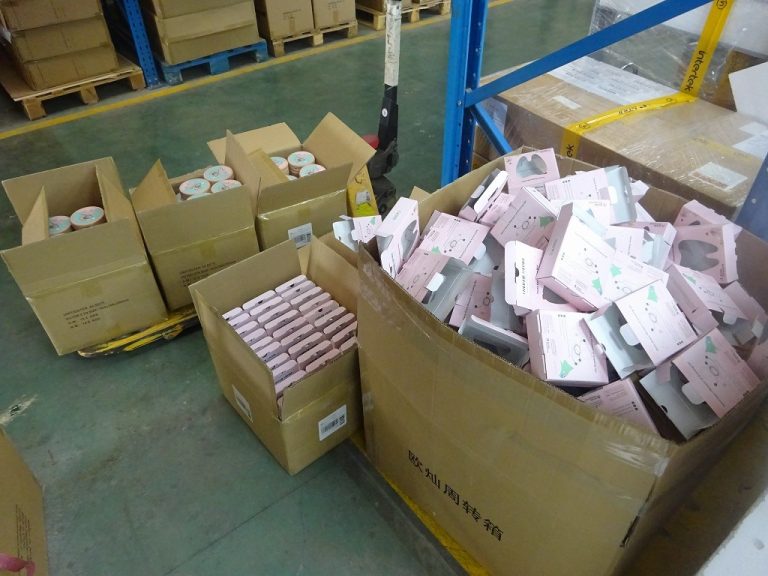
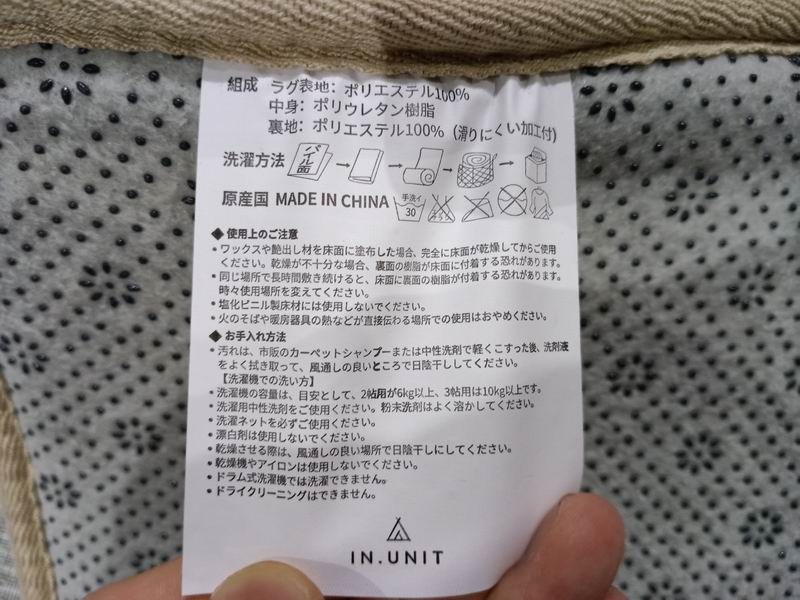
A normal Pre-Shipment Inspection is usually carried out when production is completed and most of the goods are packed. The inspection often includes quantity verification, appearance checks, workmanship review, measurement checks, label and barcode confirmation, packaging review, and shipping mark verification.
Depending on the product, the inspector may also perform selected on-site tests or compare the goods against approved samples and specifications. The goal is to identify visible and practical issues before the shipment leaves the factory.
Why buyers should not rely only on supplier confirmation
Some buyers feel comfortable when the supplier says the goods are finished and ready. But in practice, supplier confirmation alone is not always enough. The factory may believe the goods are acceptable, while the buyer may judge them differently based on agreed standards, approved samples, or market expectations.
A third-party report helps reduce this gap. It provides a more neutral record of the shipment condition at the final stage. For importers, this can be much more useful than discovering problems only after customs clearance, warehouse receipt, or customer complaint.
A practical habit for importers
Importers should try to make inspection part of the normal order workflow, especially for new suppliers, repeat orders with tight deadlines, or goods with detailed packaging and labeling requirements. It is much easier to manage risk before shipment than after arrival.
In practical terms, this means discussing the inspection arrangement early, confirming when the goods will be ready, and allowing enough time for corrections if issues are found. A Third-Party Inspection works best when it supports a real shipping decision, not when it is treated as a formality after payment has already been made.
Final thought
When a supplier requires full payment before shipment, buyers should do their best to verify the goods first. In many cases, arranging a Pre-Shipment Inspection through an independent third party is one of the most practical ways to reduce risk before the order is finally released.
In addition to Pre-Shipment Inspection, Container Loading Supervision (CLS) can also be an important part of purchase security. While PSI focuses on the condition of the goods before dispatch, CLS helps confirm that the correct cargo is loaded properly for shipment. For some orders, it is another useful safeguard in the final shipping stage.
If full payment is required before shipment, it may be worth working with a trusted third-party inspection company to verify the goods before the balance is released.