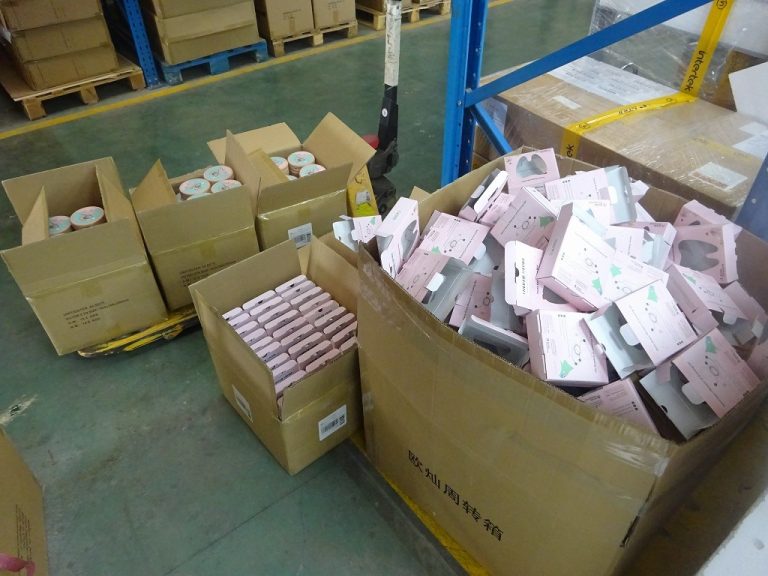
Pre-shipment inspection (PSI) is not only about checking quantities and packaging—it is fundamentally about verifying product workmanship. In real-world quality control, most customer complaints, returns, and disputes arise from workmanship defects rather than missing quantities. This is why professional inspections rely on internationally recognized criteria such as the AQL standard to evaluate whether a shipment should be accepted or rejected.
In this guide, we explain what workmanship means, how to identify common defects, and how to classify them correctly according to AQL principles, so you can make informed shipment decisions.
Contents
What is Workmanship in Product Inspection
Workmanship refers to the overall quality of how a product is manufactured and finished. It reflects the level of care, precision, and consistency applied during production.
Workmanship typically includes:
- Surface and appearance quality (scratches, stains, color consistency)
- Structural integrity and assembly quality
- Alignment, symmetry, and finishing details
- Compliance with design specifications and samples
Workmanship standards are usually defined based on:
- Approved samples (Golden Sample)
- Client specifications
- Industry norms
- Functional requirements
In a pre-shipment inspection, workmanship is one of the most critical evaluation areas, as it directly affects customer satisfaction.
Why Workmanship Defects Matter
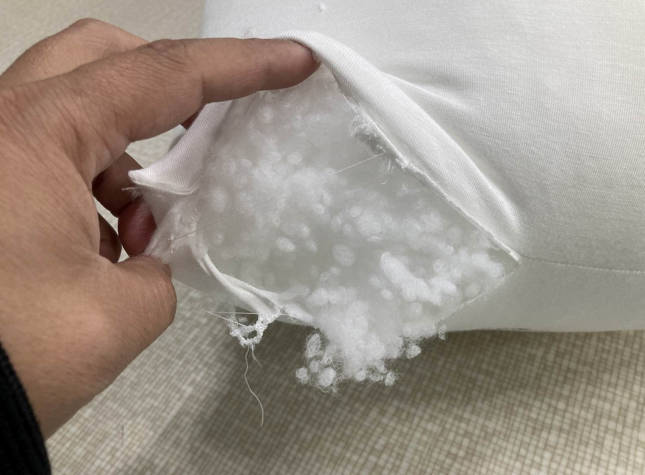
Workmanship defects are the most common cause of product rejection and customer complaints. Even if a product functions properly, poor appearance or finishing can lead to negative customer perception.
Typical risks include:
- Reduced product value due to visible defects
- Functional issues caused by poor assembly
- Increased return rates and after-sales costs
- Damage to brand reputation
In many cases, buyers reject shipments not because products are unusable, but because they fail to meet expected workmanship standards.
Common Types of Workmanship Defects
Understanding defect categories is essential for effective inspection and communication with suppliers.
Appearance Defects
These are the most visible and frequently reported issues:
- Scratches or surface damage
- Stains or contamination
- Color variation or inconsistency
- Printing errors or blurred logos
Assembly Defects
These defects relate to how components are put together:
- Loose or unstable parts
- Misalignment or uneven gaps
- Missing components
- Incorrect assembly
Dimensional Defects
These involve deviations from specified measurements:
- Incorrect size or dimensions
- Weight deviations
- Tolerance violations
Functional Defects
These affect the usability of the product:
- Product does not function as intended
- Performance does not meet requirements
- Safety concerns or risks
How to Classify Defects According to AQL
In professional inspections, defects are not judged randomly—they are categorized using the AQL standard, which defines acceptable quality levels.
Critical Defects
These are the most serious issues:
- Pose safety risks
- Violate regulations
- Render the product unusable
Examples include sharp edges, electrical hazards, or toxic materials. These are usually not acceptable under any circumstances.
Major Defects
These defects significantly affect product usability or appearance:
- Product cannot function properly
- Visible defects that customers will likely reject
- Serious deviations from specifications
Examples include major scratches, incorrect assembly, or significant size deviations.
Minor Defects
These are small imperfections that do not affect function:
- Slight cosmetic issues
- Minor variations in finishing
Examples include small spots, slight color differences, or minor surface imperfections.
How to Identify Workmanship Defects During Inspection
Professional inspectors follow systematic methods to detect defects accurately.
Key practices include:
- Comparing products against approved samples
- Inspecting under proper lighting conditions
- Observing from multiple angles (front view, 45-degree angle, etc.)
- Applying random sampling based on AQL standard
- Using measurement tools such as calipers and gauges
Consistency is critical—inspection criteria must be applied uniformly across all sampled units.
Workmanship Focus by Product Type
Different products require different inspection priorities.
Garments
- Stitching quality
- Loose threads
- Symmetry and alignment
Electronics
- Assembly precision
- Functional performance
- Interface and connection quality
Furniture
- Surface finishing
- Structural stability
- Material consistency
Plastic and Metal Products
- Burrs and sharp edges
- Deformation
- Surface treatment quality
Understanding product-specific risks helps ensure more accurate inspections.
How to Reduce Workmanship Defects
Preventing defects is more cost-effective than correcting them after production.
Recommended practices include:
- Defining clear product specifications
- Providing approved reference samples
- Conducting in-process inspections
- Performing final pre-shipment inspection before shipment
- Maintaining clear communication with suppliers
Working with a professional third-party inspection company helps ensure that workmanship standards are consistently applied.
Conclusion
Workmanship is at the core of product quality. Identifying and classifying defects correctly using the AQL standard allows buyers to make informed decisions on shipment acceptance.
A structured inspection process not only reduces risks but also improves supplier performance over time. If you want to ensure your products meet international quality expectations, professional inspection services can provide the reliability and confidence you need.