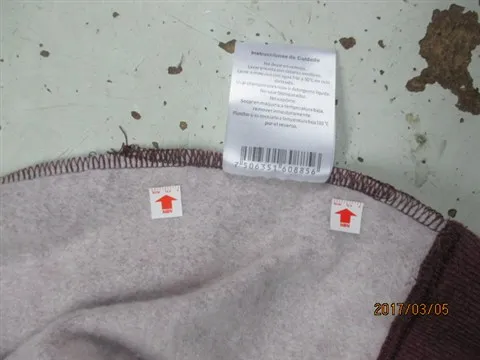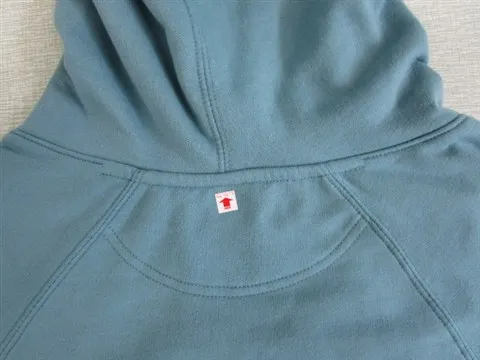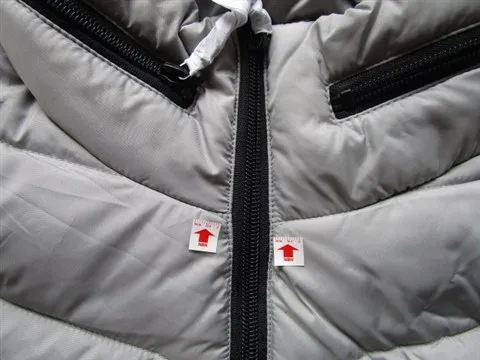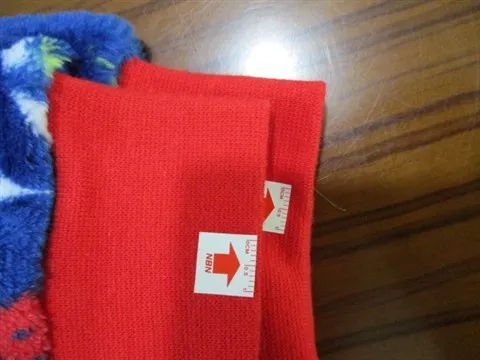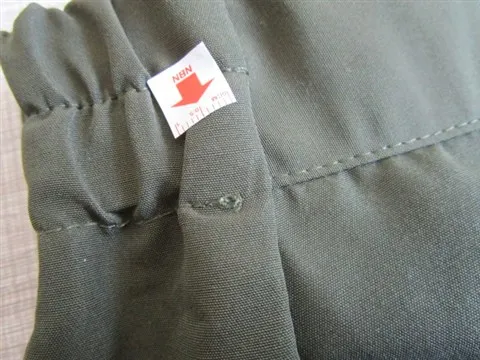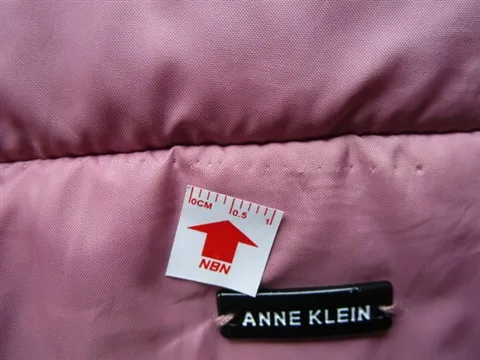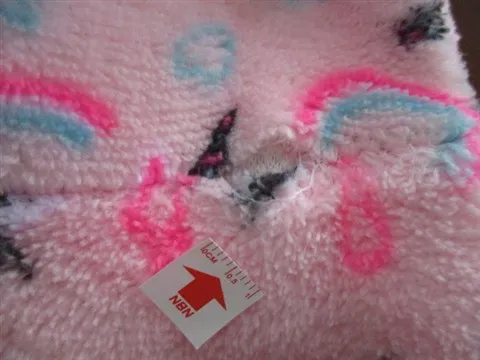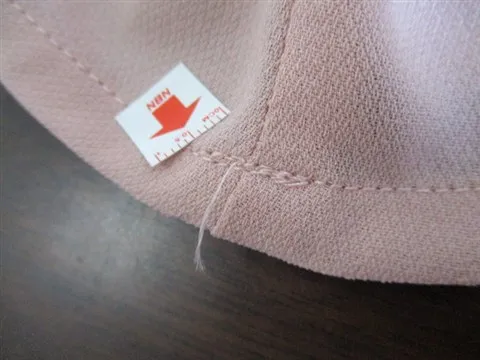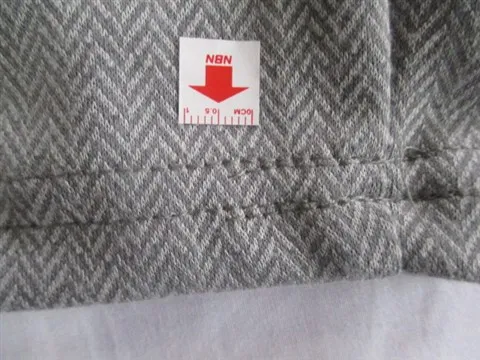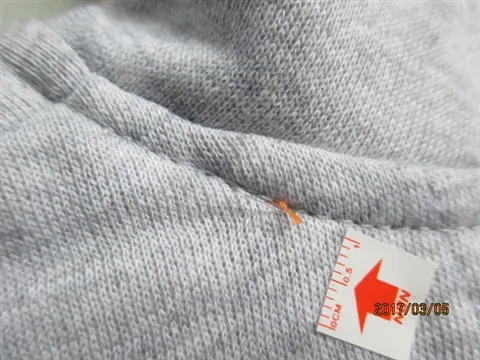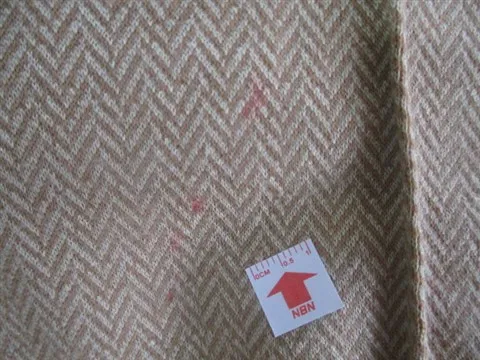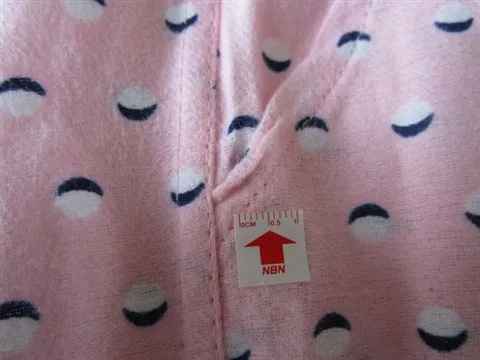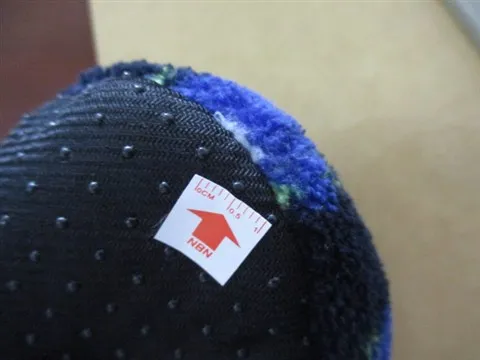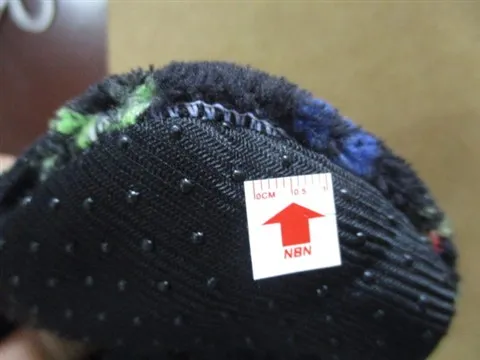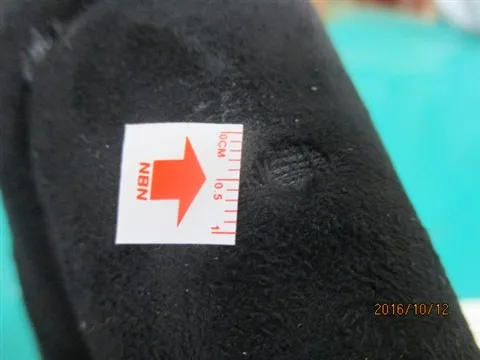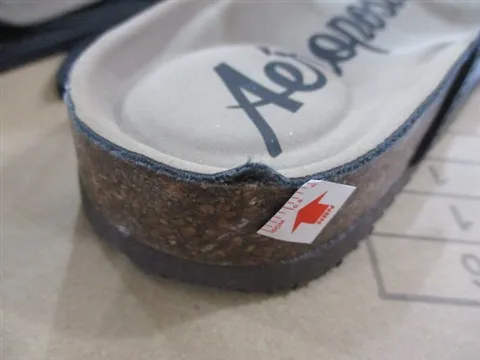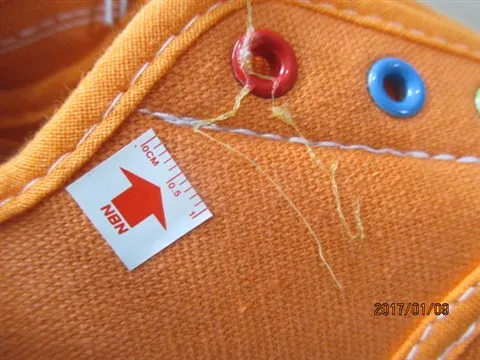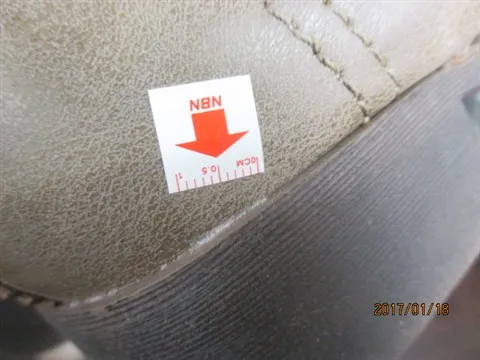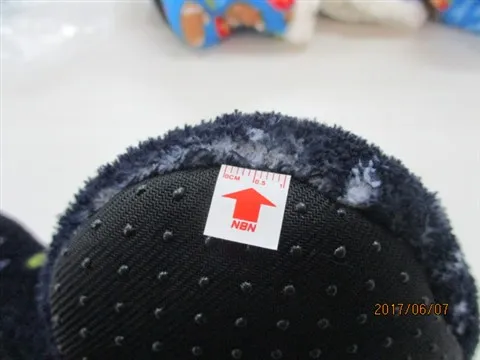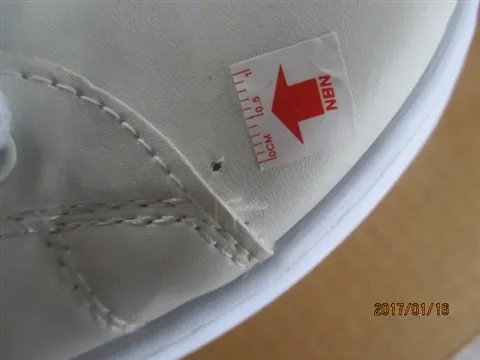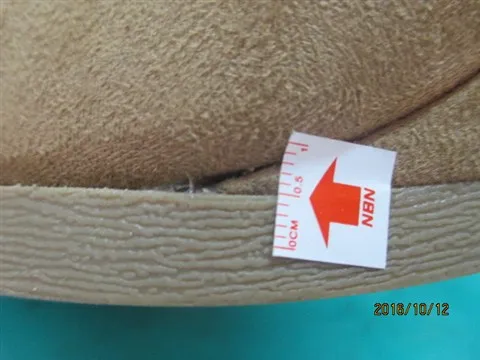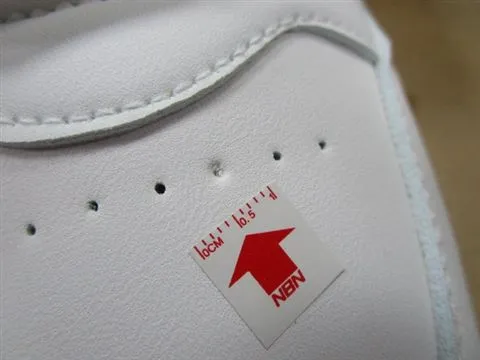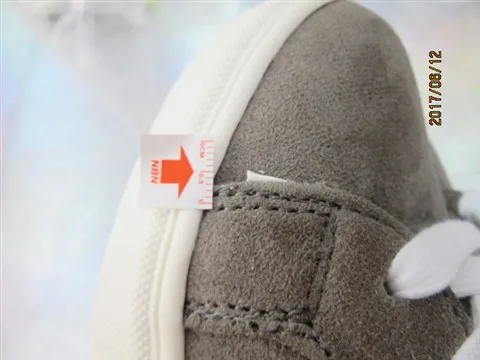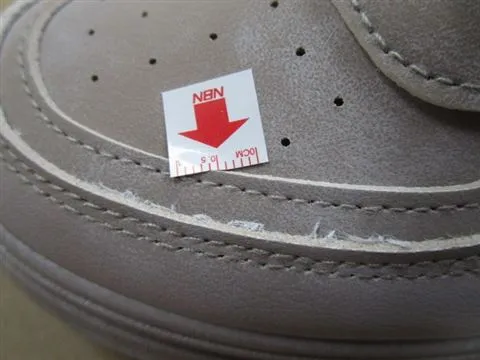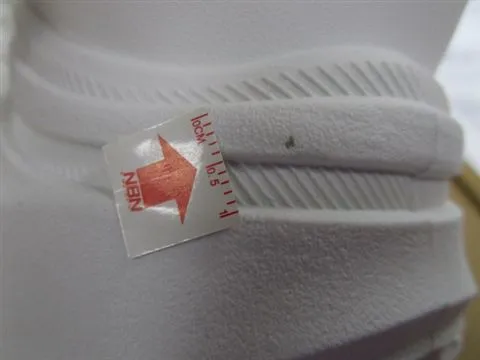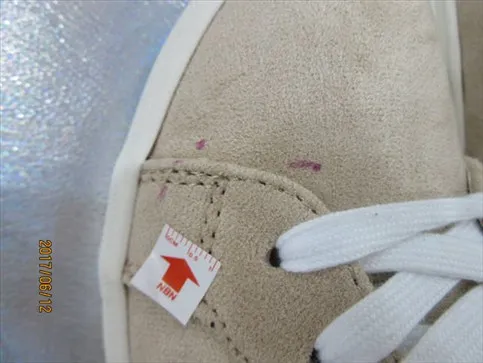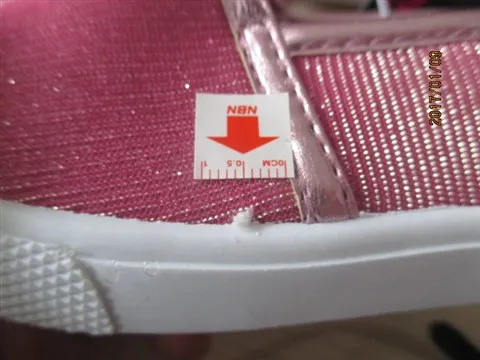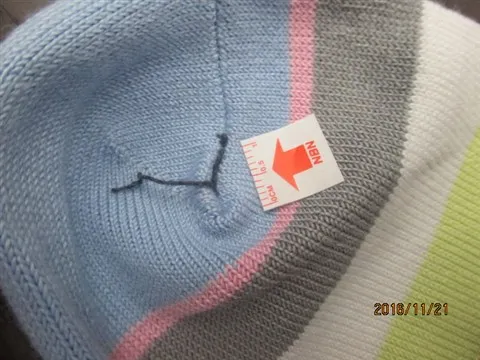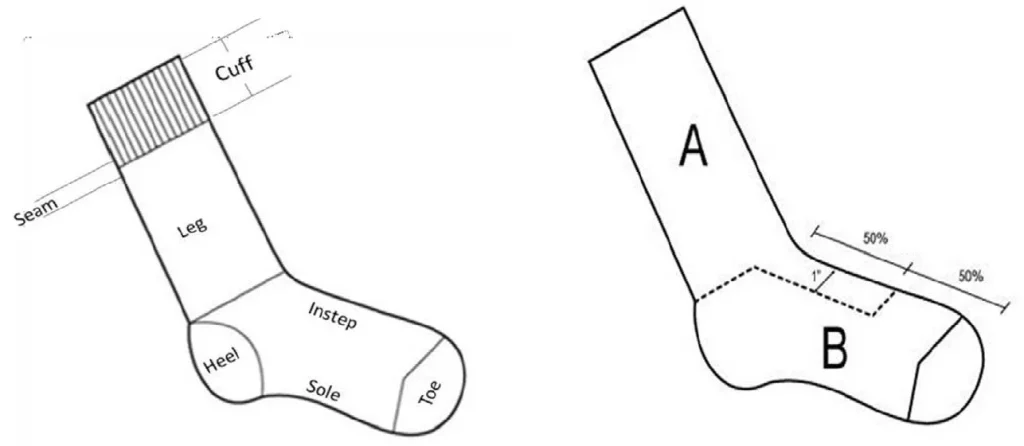
By referring to our defect list, you can more effectively categorize and standardize product quality issues, while also facilitating effective communication between factories, suppliers, buyers, and third-party inspectors.
Table Of Contents
Definition of Defect
Defects in garment, footwear, and sock products are typically classified into three categories: Critical, Major, and Minor. By studying these defect examples, inspectors can understand the logic and criteria behind the classification and even make reasonable inferences when encountering new defects. Bookmark this page in your browser and turn yourself from a rookie into a pro!
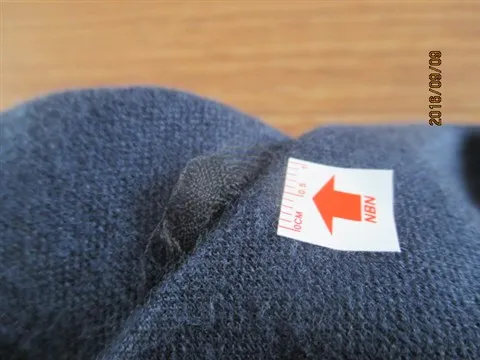
Critical Defects:
These are serious issues that may pose safety risks, violate regulations, or render the product unusable. Examples include sharp objects in garments, broken soles in footwear, or toxic materials in socks.
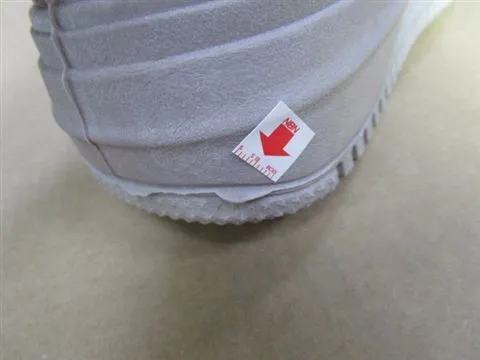
Major Defects:
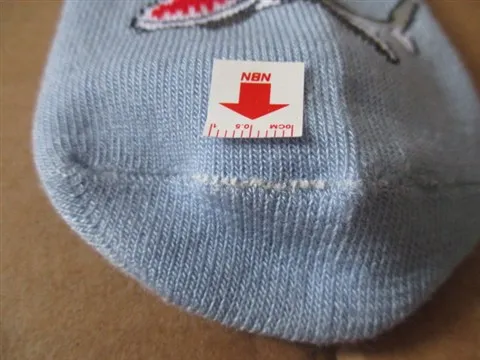
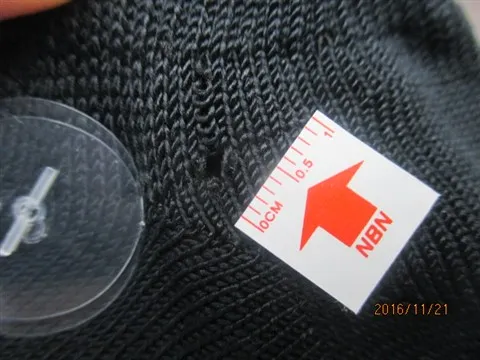
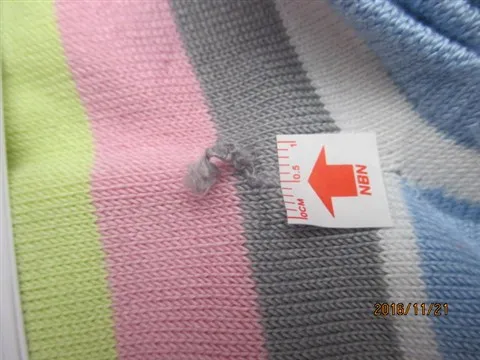
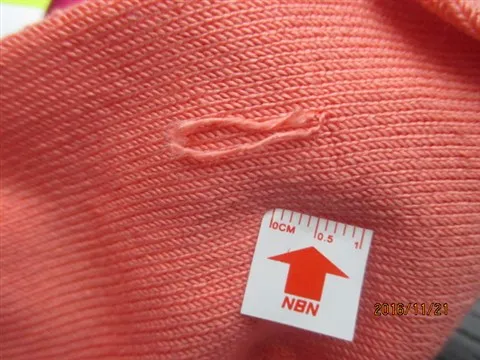
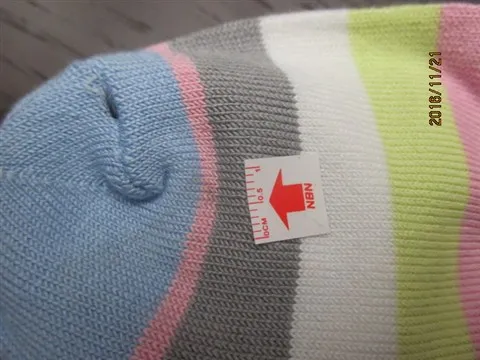
These are significant issues that affect the product’s functionality, appearance, or durability. Examples include torn fabric, detached shoe soles, or holes in socks.
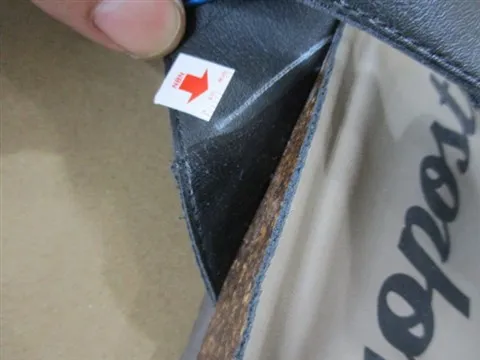
Minor Defects:
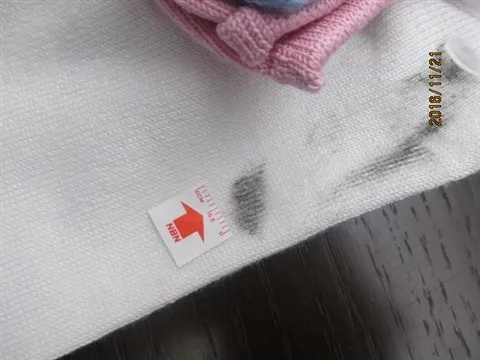
These are small issues that do not impact functionality but may affect visual appeal. Examples include loose threads, slight color variations, or minor scuff marks.
Garment/Apparel Defect Reference
Critical Defectives (CRI)
Major Defectives(MAJ)
Minor Defectives(MIN)
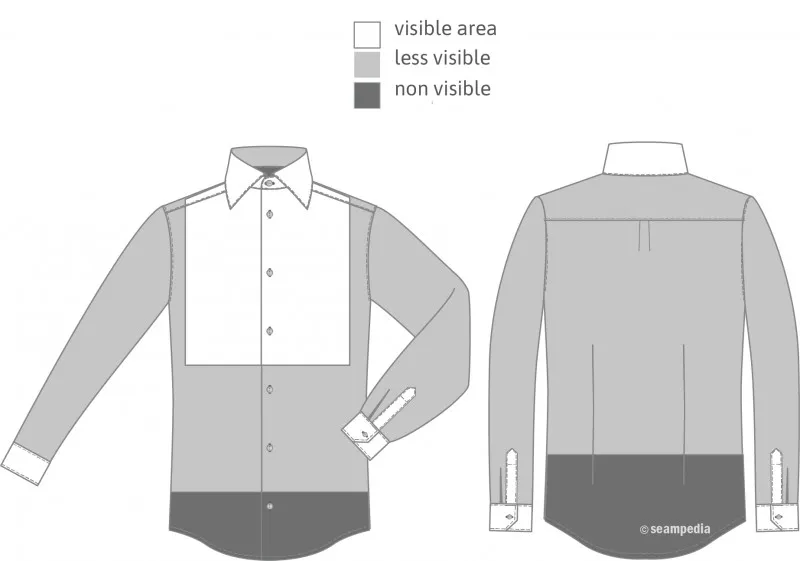
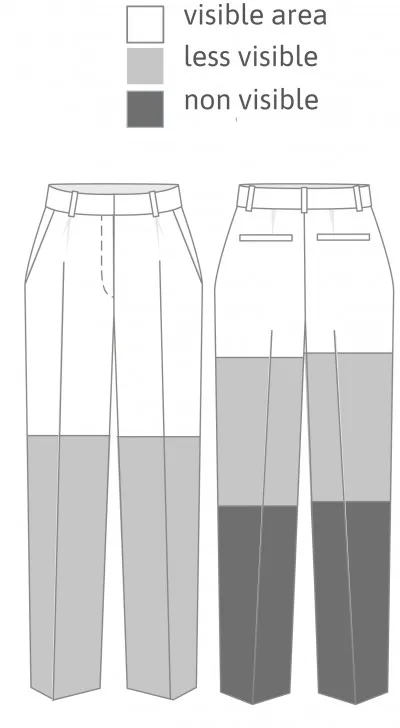
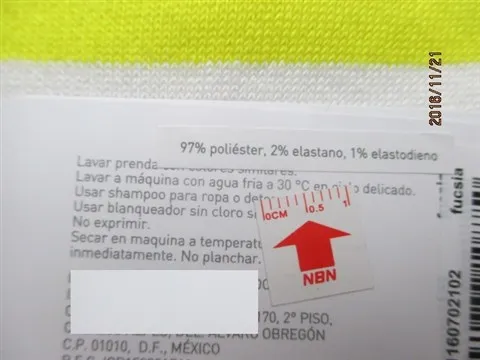
The classification of garment defects into CRI (Critical), MAJ (Major), and MIN (Minor) is a common industry standard, but it is not absolutely fixed. Indeed, some brands or buyers may also assess the severity of defects based on their location, such as visible area, less visible area, or non-visible area, to ensure more precise quality control.
Whether you're a seasoned importer or new to sourcing from China, understanding pre-shipment inspection practices can greatly benefit your business and mitigate risks associated with quality control.
Footwear Defect Reference
Critical Defectives (CRI)
Major Defectives(MAJ)
Minor Defectives(MIN)
Whether you're a seasoned importer or new to sourcing from China, understanding pre-shipment inspection practices can greatly benefit your business and mitigate risks associated with quality control.
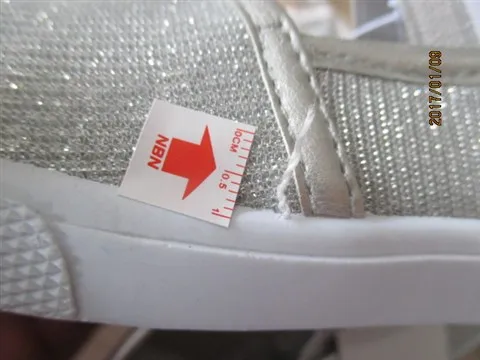
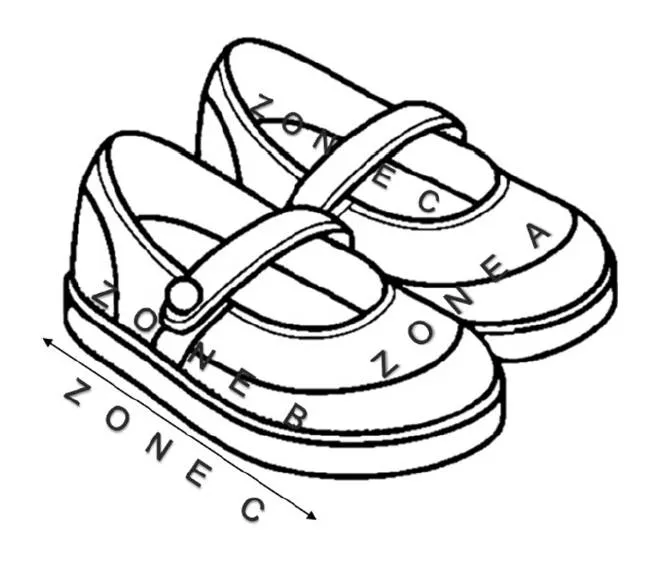
For footwear, defects are typically categorized as CRI (Critical), MAJ (Major), and MIN (Minor), which is a widely recognized industry standard. However, this classification is not entirely rigid. Some brands or buyers may also take the defect's location into account, such as prominent areas on the upper, less noticeable sections, or the sole, to achieve more accurate quality assessment.
Image Sources: Gloria Francisco Lopez
Socks Defect Reference
Critical Defectives (CRI)
Major Defectives(MAJ)
Minor Defectives(MIN)
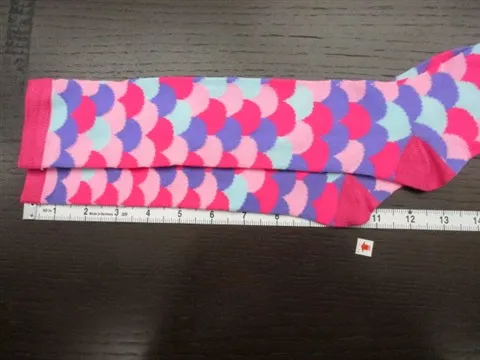
For knitted products, defects are generally classified into CRI (Critical), MAJ (Major), and MIN (Minor), following common industry practices. Nevertheless, this approach can vary. Some brands or buyers may further consider the defect’s position, such as the front-facing area, less prominent sections, or concealed parts, to ensure a more precise evaluation of product quality.
Image Sources: Gloria Francisco Lopez
We offer product inspection and supplier auditing services across all regions of China, helping you effectively manage your supply chain and ensuring that each order meets quality requirements and safety standards.